

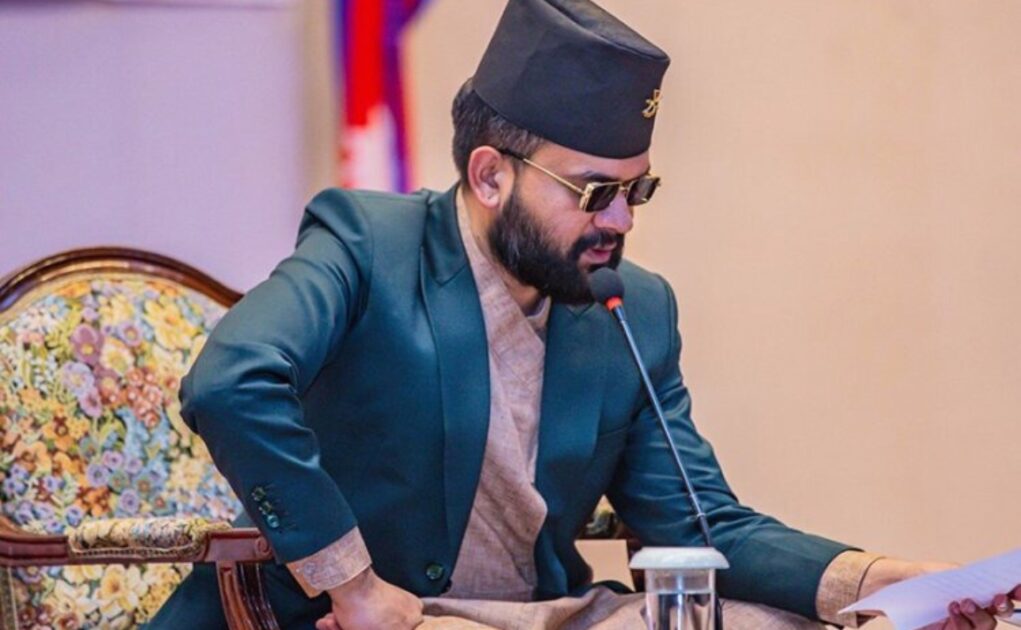

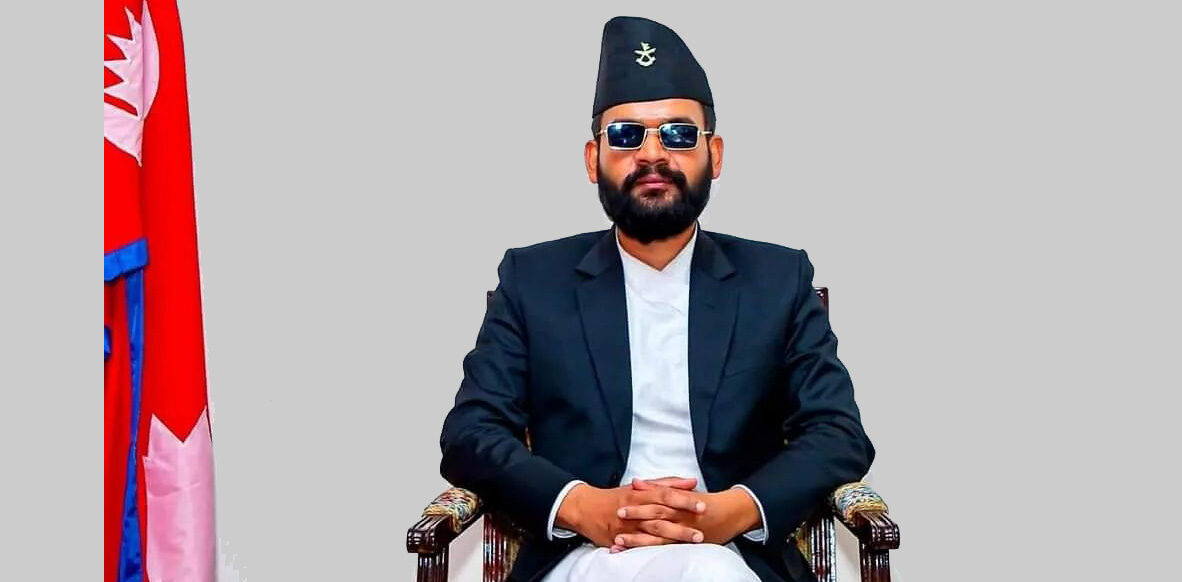

Nirmal ‘Nimsdai’ Purja (1983–2026): The Nepali who climbed with such courage that the world finally saw his people

On 30 July 2026, an avalanche on Broad Peak in the Karakoram took Nirmal Purja and nine others. Six of them were Nepali. At 43, the man the world knew as Nimsdai — and Nepal simply called Nims — was gone. His body was later recovered at around 5,700 metres. With him left not only a record-breaking mountaineer, but a son of this soil whose courage forced the world to look at Nepali climbers differently.

Nims was born on 25 July 1983 in Dana, a modest village in Myagdi at the foot of Dhaulagiri. His family soon moved to the plains of Chitwan. He was Magar, not Sherpa. His father had served as a Gurkha; the family’s inter-caste marriage had left them cut off and poor. The boy who once walked barefoot carried that early hardship into every challenge that followed. At eighteen he joined the British Brigade of Gurkhas. Six years later he became the first Gurkha in more than two centuries to earn a place in the Special Boat Service, the Royal Navy’s elite special forces unit. He served sixteen years in total and was appointed MBE by Queen Elizabeth II for the lives he saved on the mountains and the quiet bravery he showed under the hardest conditions.
Yet the uniform could not hold him. The Himalaya called him back with a different kind of duty.
In 2019 he launched Project Possible. The plan sounded reckless: climb all fourteen peaks above 8,000 metres in under seven months. The existing record stood at nearly eight years. He remortgaged his house, gathered a team of Nepali climbers, and set out. On 29 October 2019, when he stood on the summit of Shishapangma, he had finished the journey in six months and six days. The achievement stunned the world and was later captured in the Netflix film 14 Peaks: Nothing Is Impossible. But for Nims the numbers were never the heart of the story. The heart was the quiet insistence that Nepali climbers belonged at the front of the rope, not in the background.

That conviction reached its purest expression on K2 in the winter of 2021. The mountain that had never been climbed in the coldest season fell to an all-Nepali team of ten. Ten metres below the summit they stopped, linked arms, and walked the final steps together while singing the Nepali national anthem. Nims himself climbed without supplemental oxygen. In that moment the world saw what he had always known: that courage, skill and brotherhood were not the exclusive property of foreign expeditions.
Throughout his life Nims refused the old narrative that reduced Nepali mountaineers to porters and support staff. He spoke openly about the injustice of watching foreign climbers take the glory while the men and women who fixed the ropes, broke the trail and risked everything remained unnamed. He led all-Nepali teams, shared credit without hesitation, founded Elite Exped and the Nimsdai Foundation, organised high-altitude clean-ups, and used every platform to demand recognition for his people as true expeditionists. He climbed not only for himself, but so that the next generation would stand in the light.
In the end the mountains claimed him on Broad Peak, still reaching for the edge of what was possible. He left behind a wife, a young daughter, brothers who had also served, and a nation that feels the loss as personal.
Nirmal Purja showed us that courage is not the absence of fear, but the decision to keep moving when the mountain says no. He carried the discipline of a special forces soldier and the heart of a boy from Myagdi and Chitwan. He made the highest places on earth feel a little more Nepali. And he left the path clearer for every young climber who follows — no longer expected to remain in the shadows, but free to lead.
The mountains have taken his body. Nepal keeps his courage.