


From the ‘Rooftop of the World’: Nepal PM Balendra Shah takes aim at war logistics and climate injustice at UNGA

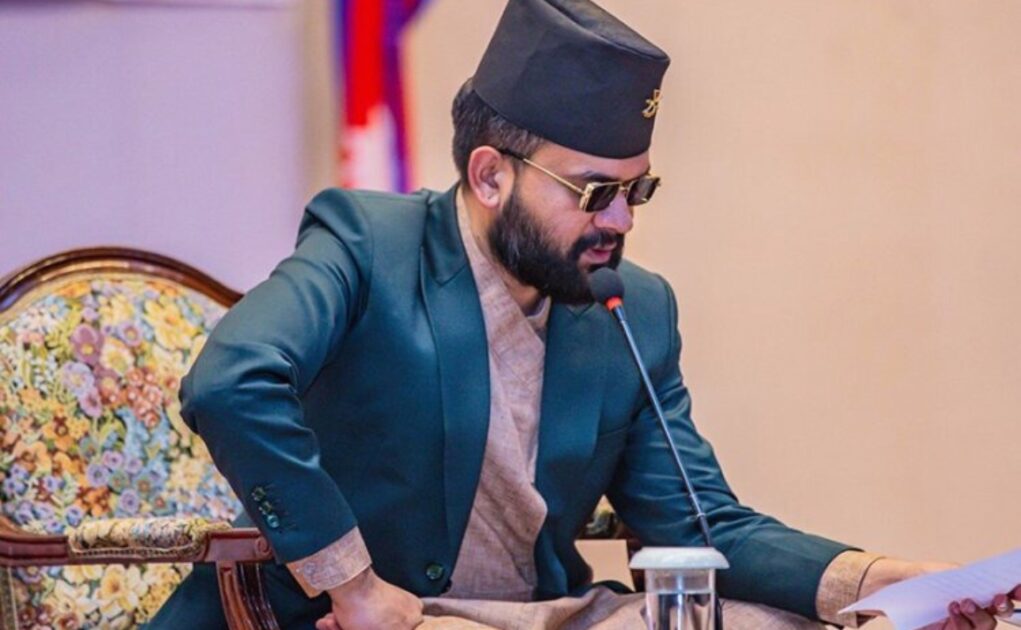
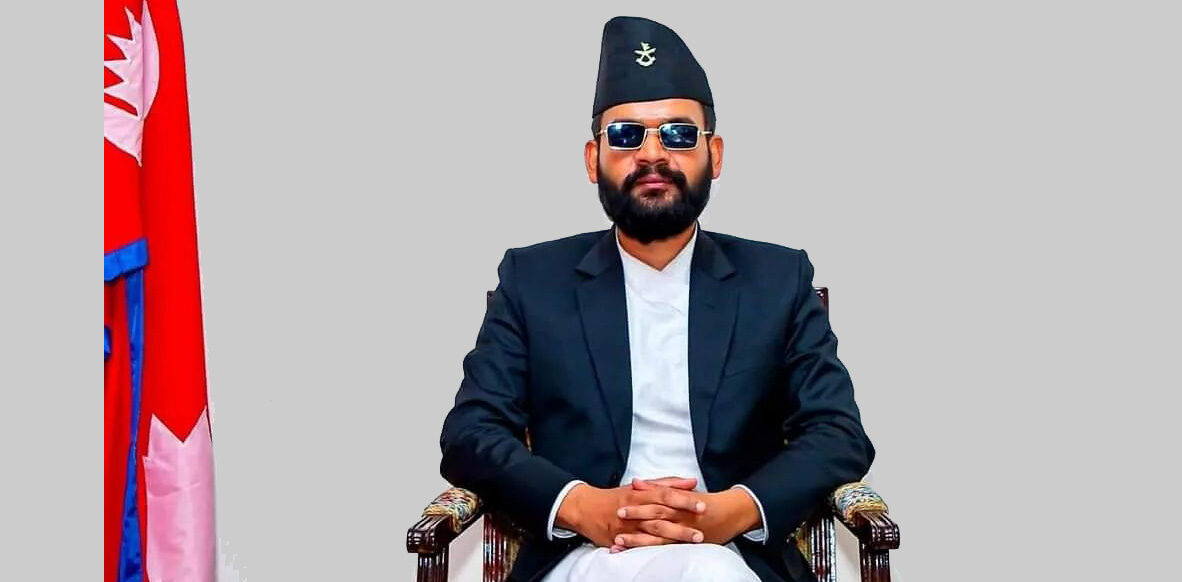
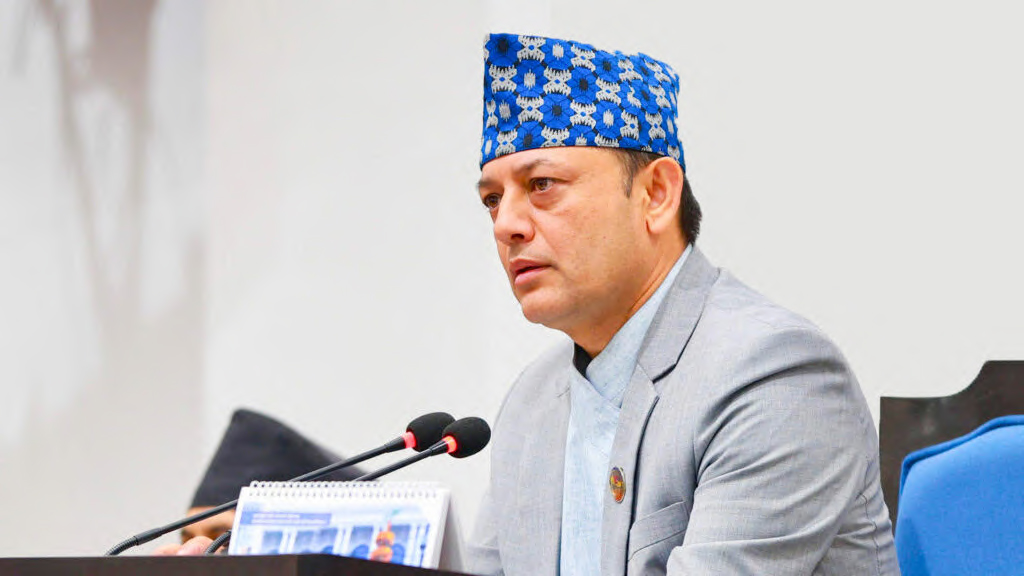
UNITED NATIONS, NEW YORK — In a forceful debut before the 81st United Nations General Assembly, Nepal’s Prime Minister Balendra Shah mounted a fierce critique of the international order, drawing a direct contrast between the world’s swift logistical readiness for war and its systemic abandonment of climate-vulnerable communities.
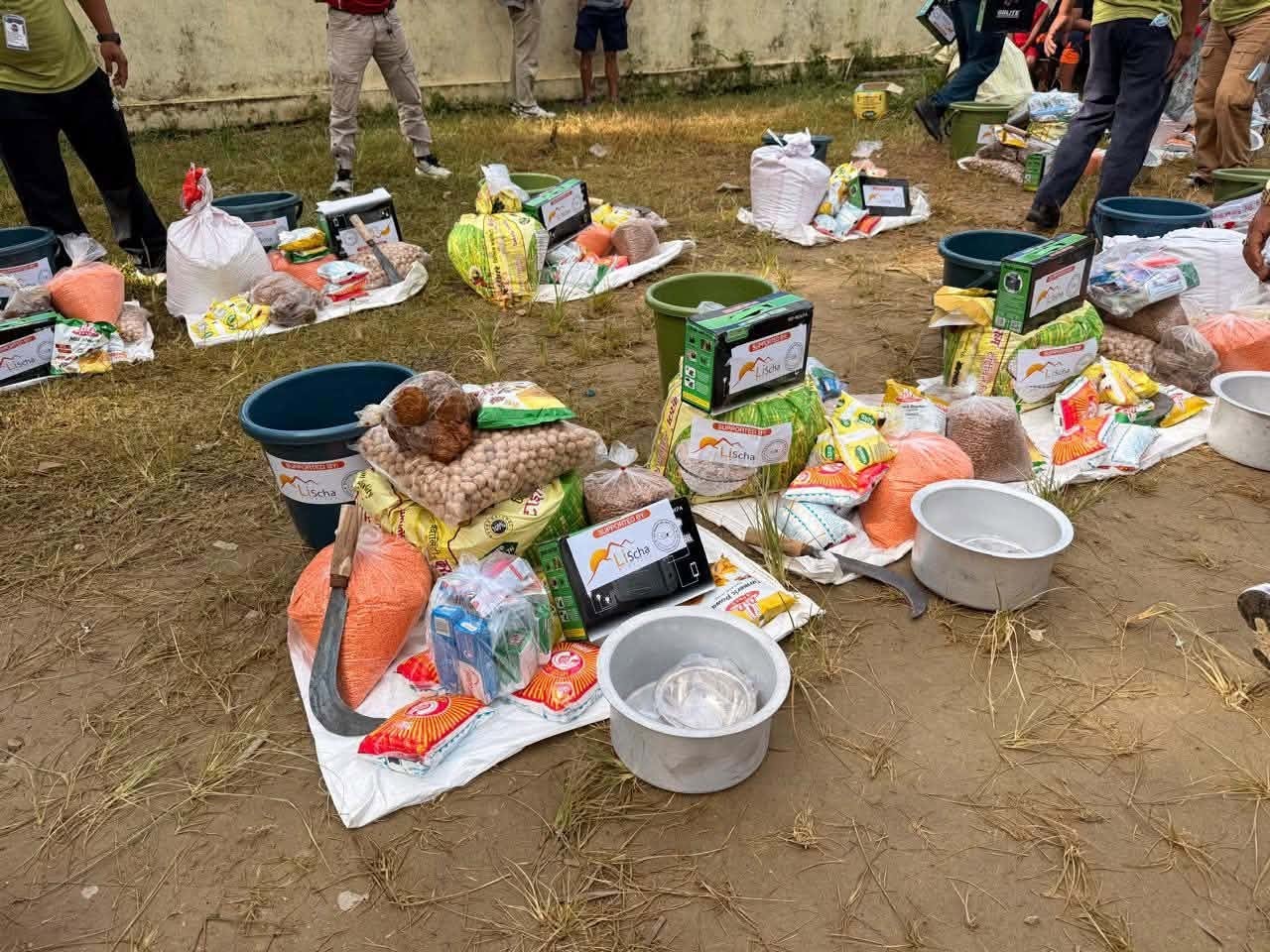
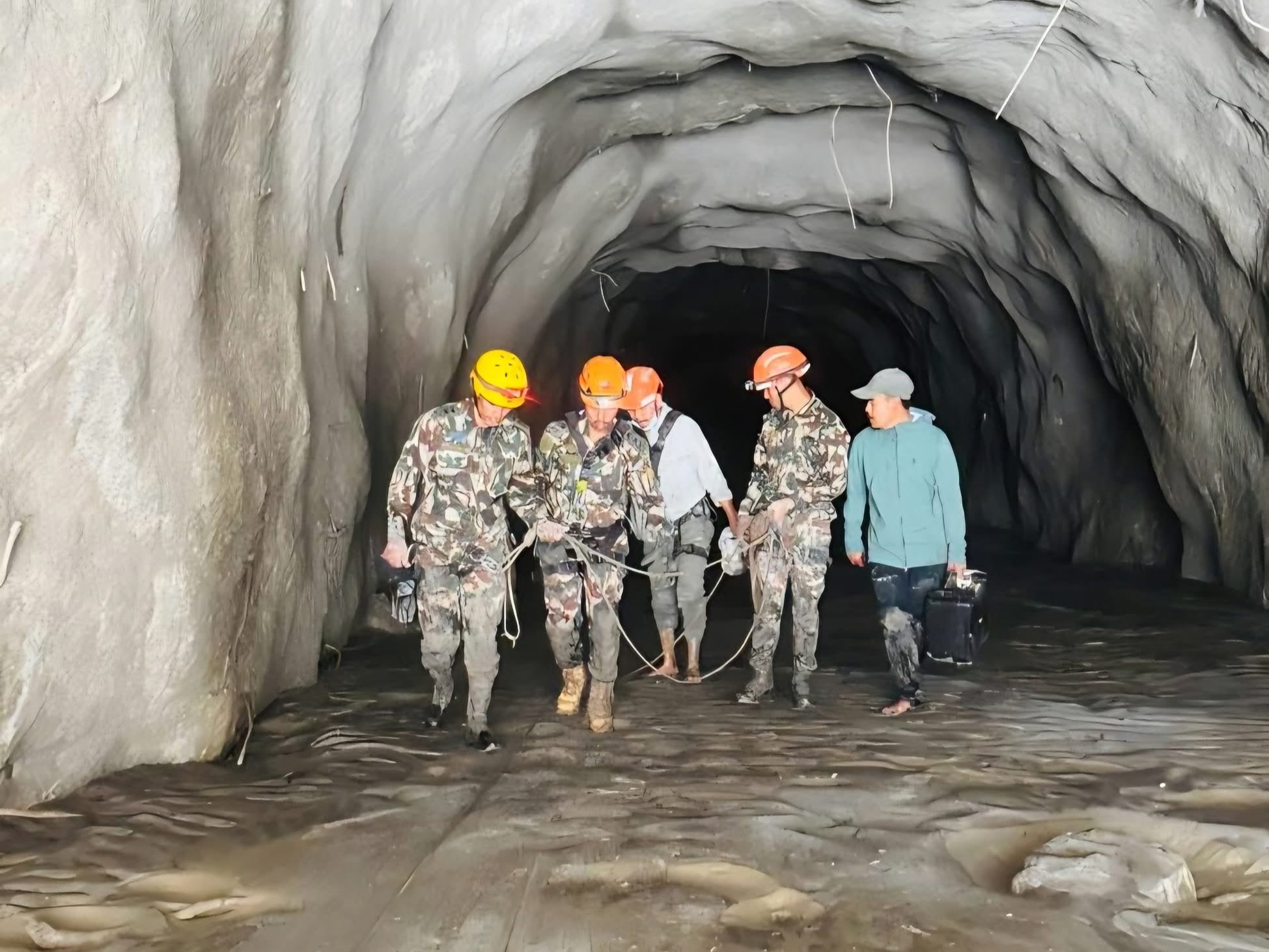
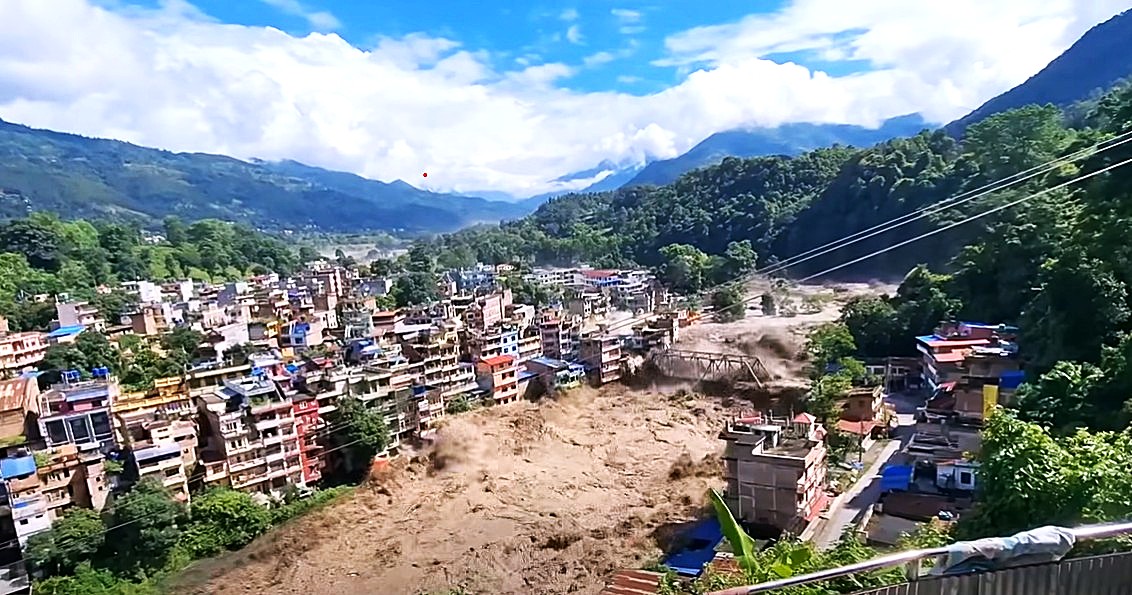
Speaking against the backdrop of recent devastating flash floods in Nepal that claimed lives and erased decades of infrastructure, Shah brought a message from the Himalayas that left little room for diplomatic ambiguity.
‘A Flawless System for War, A Broken System for Food’
The sharpest moment of Shah’s address came as he questioned global priorities and the stark inequality in the distribution of resources. Taking aim at the speed with which armaments are deployed versus basic livelihood support, Shah confronted delegates on the assembly floor,
“The world has built a flawless logistics system for war, but we have built a broken logistics system for food. A country willing to pay the price should be able to buy, and there is no excuse for a world that can deliver weapons anywhere in the world in 72 hours to not provide a farmer with the means of livelihood.”
Shah reiterated that the current global architecture leaves developing states hostage to external shocks and conflicts, noting that small and poor nations cannot continue to be sidelined in multilateral forums.
Urgent warning for humanity
Detailing the ecological toll in the Himalayas, Shah pointed out that despite Nepal’s negligible role in warming the planet, the country is facing the brunt of the breakdown.
“I stand before you today from Nepal, a distant land nestled in the lap of the Himalayas, carrying a near and urgent warning for humanity… I must speak of bridges, roads, schools, homes, and livelihoods washed away in minutes. The progress of my country, on its journey to achieve the Sustainable Development Goals, has been halted.”
Highlighting the cross-border reality of glacial melt and extreme weather, Shah stressed that natural hazards do not respect political boundaries:
“A warming climate is destabilizing the fragile ecosystem of the Himalayas, melting permafrost beneath glaciers, increasing the risk of avalanches of ice and rock, floods, landslides, and other sudden disasters. Its devastating impact was seen on both sides of the Nepal-China border. The floodwaters reached India downstream. This teaches us one fundamental thing. Climate change knows no borders. Glaciers and floods do not carry passports and visas.”
Real Justice: Moving Beyond Debt and Bureaucracy
Turning to the international funding mechanism, Shah argued that climate justice cannot simply be reduced to loans that deepen developing nations’ debt burdens. He called for structural compensation and proposed a trilateral Himalaya Climate Resilience Mechanism among Nepal, India, and China to share satellite data and monitor glacial lakes.
“When climate-induced disasters destroy the infrastructure of a poor country, the response cannot be just another large loan or a collection of small grants. We need adequate grant-based support from the world. The Loss and Damage Fund, the Global Environment Facility, and other financial mechanisms are insufficient.”
“Therefore, this Assembly must focus on six words: relief, rehabilitation, reconstruction, and also responsibility, compensation, resilience. The first three are needed after a disaster. The last three are necessary to prevent disaster from becoming a permanent state.”
The Youth Mandate and the Rooftop Warning
Reflecting his rise to leadership and the anti-corruption, youth-driven political movement that brought his administration to power, Shah closed with an urgent appeal to reform obsolete power structures, cut fossil fuel dependence, and answer the demands of the emerging generation:
“We are at this General Assembly at a moment of profound global uncertainty — and with a renewed democratic mandate that reflects the aspirations of a new generation. Our youth have demanded a politics of integrity and accountability. This generational shift is not only a national story. It is part of a global awakening against conflicts, inequities, and lack of opportunities.”
“Let us finance resilience, and invest in insurance and innovation. Let us build stronger infrastructure and institutions. Let us reduce fossil-fuel dependence. Let us build systems that warn, alert and save lives. Let us reform the order that leaves the weakest with the least power.”
“And when the next warning comes from the rooftop of the world: Let us be ready to hear it, and ready to act.”