

Greta Thunberg demands ‘Climate Reparations’ for Nepal, framing gloods as global climate injustice

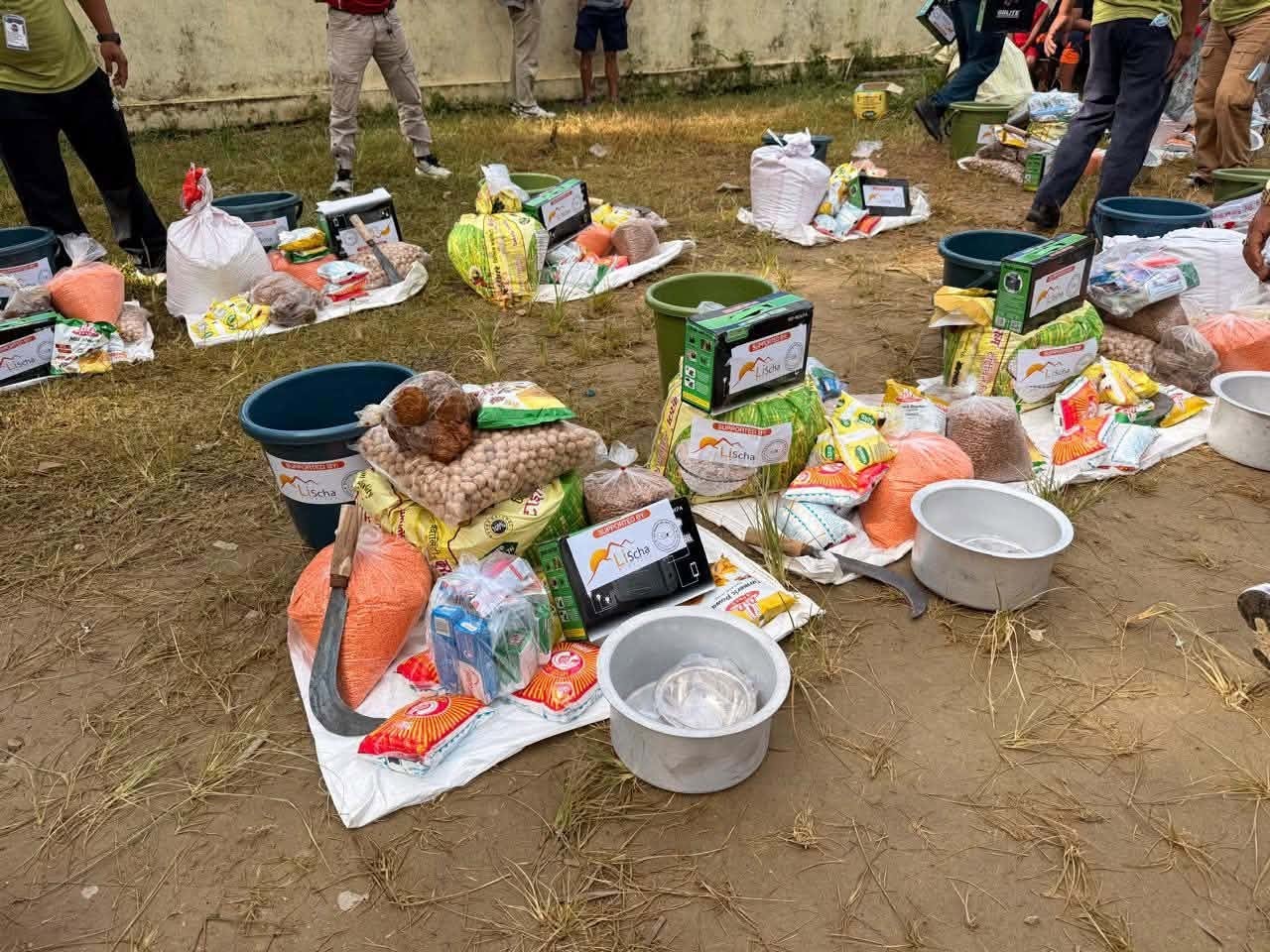
KATHMANDU — Renowned global climate activist Greta Thunberg has called on the international community to view financial aid provided to flood-ravaged Nepal not as charitable donations, but as obligatory “climate reparations” owed by high-emitting industrial nations.
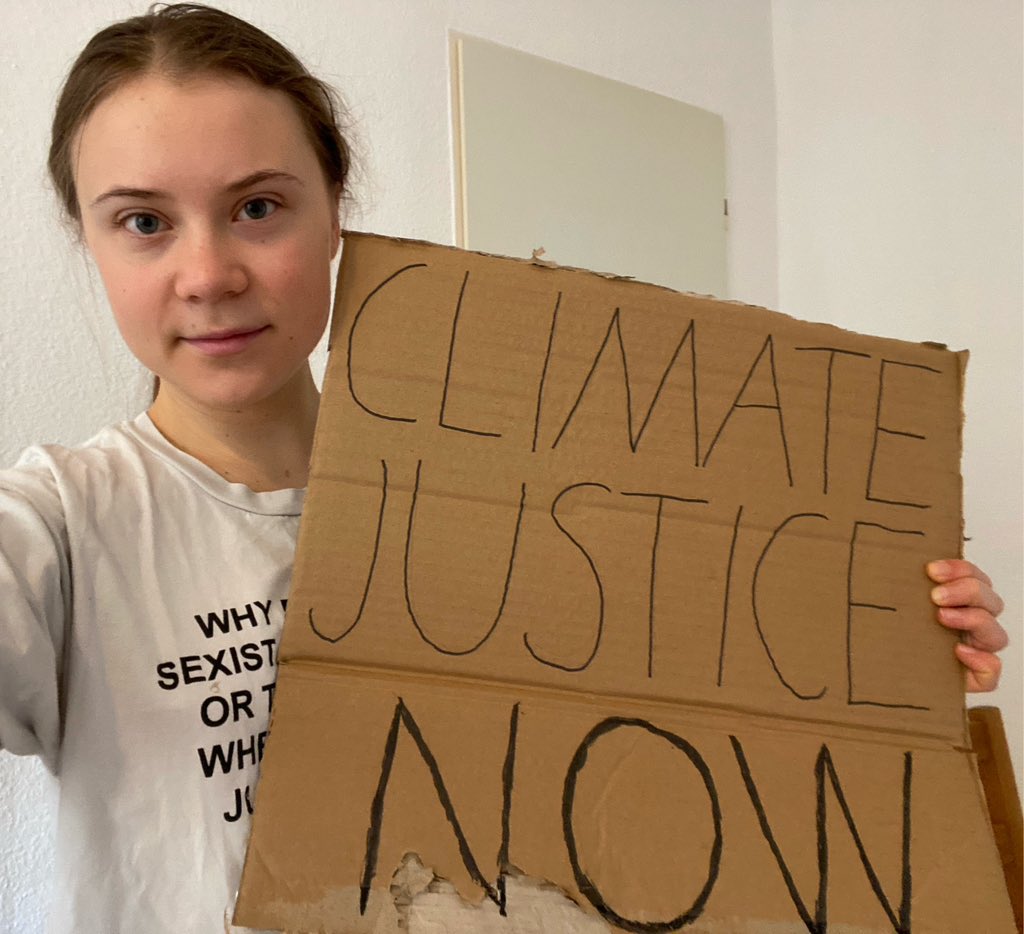
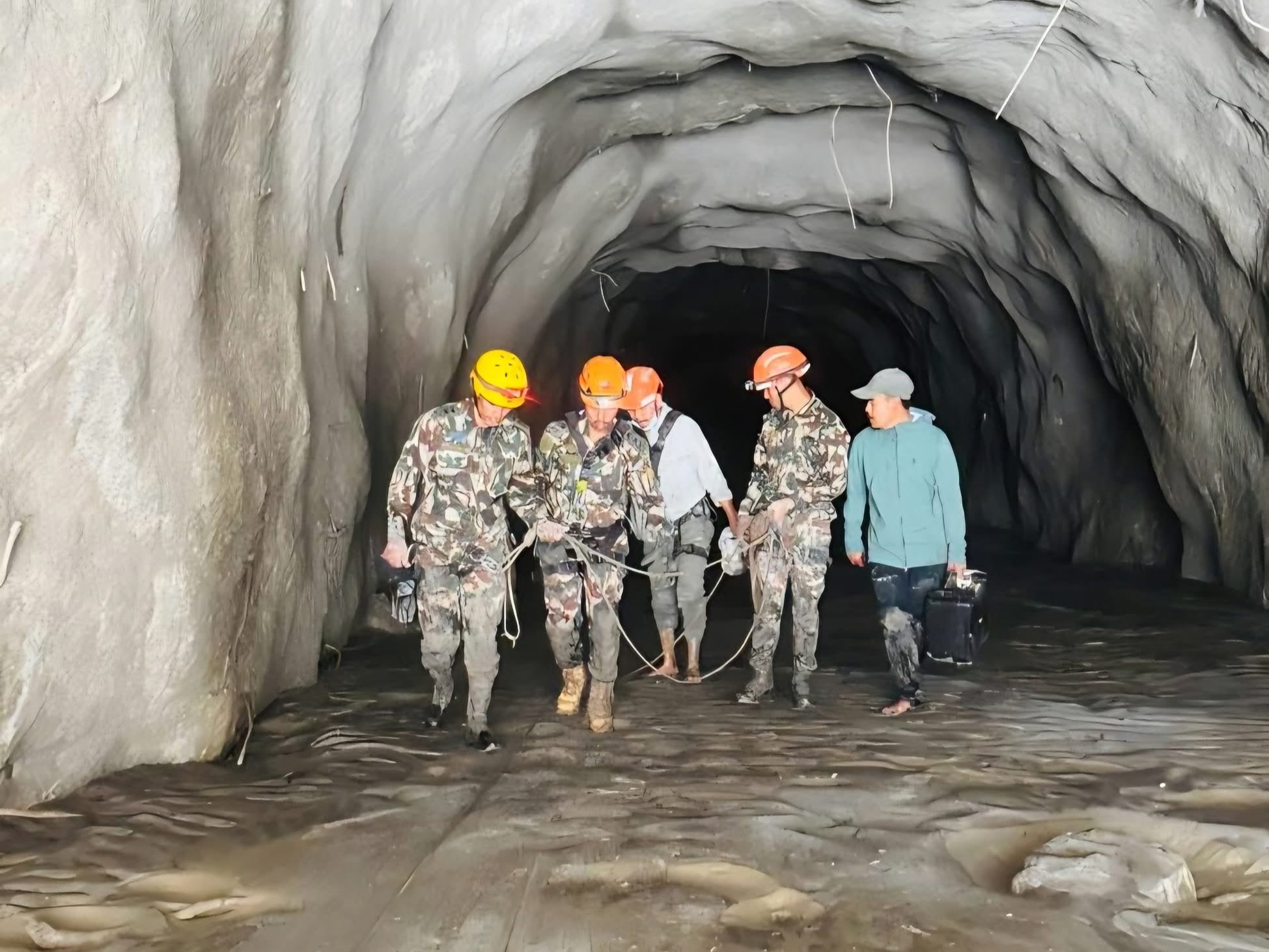
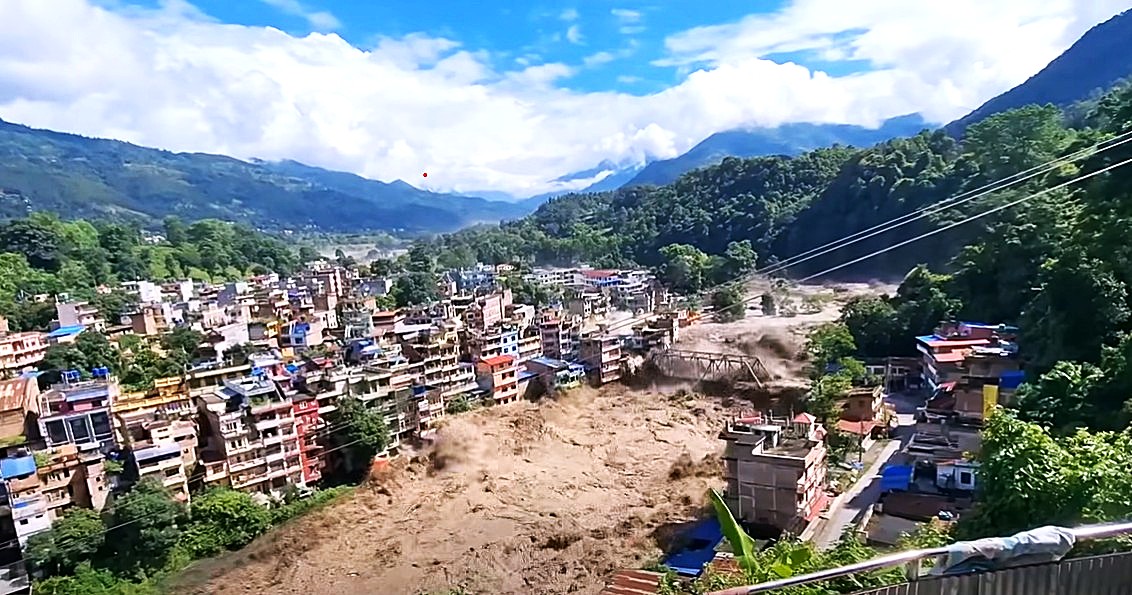
In a video statement released across her official social media channels on Friday, the 23-year-old Swedish activist emphasized that the recent catastrophic flash floods and landslides in Nepal are direct manifestations of the escalating global climate crisis.
Expressing intense frustration over the disproportionate impact borne by developing societies, Thunberg highlighted the deep inequity at the heart of the crisis.
“What Nepal deserves is climate reparations—compensation for the immense destruction inflicted upon it,” Thunberg stated, committing to leverage her international platform to demand justice for frontline nations facing the brunt of climate breakdown.
A Voice Against Global Inaction
Thunberg, who gained world fame in 2018 at age 15 after launching her solo “School Strike for Climate” outside the Swedish Parliament, spurred the global youth movement Fridays for Future. Named TIME magazine’s Person of the Year in 2019, she has consistently called out world leaders at major international forums—including the United Nations—for their indifference toward the climate emergency.
Her latest statement elevates Nepal’s immediate humanitarian disaster beyond temporary relief and sympathy, positioning it within the global dialogue on historic responsibility, adaptation financing, and loss-and-damage accountability. Given her vast international reach, her endorsement is expected to bolster Nepal’s voice on global climate justice platforms.
The Reality of Climate Injustice in Nepal
Nepal contributes an extremely negligible fraction to global greenhouse gas emissions, yet it remains one of the most vulnerable nations on earth to climate-induced hazards. The country faces severe threats from glacial lake outburst floods (GLOFs), rapid glacier melt, erratic monsoon patterns, and heightened slope instability in its fragile mountainous terrain.
This stark disparity—where populations least responsible for global warming pay the highest price—is widely recognized in international policy discussions as “climate injustice.”
While scientists note that detailed attribution studies are still required to determine the precise extent to which climate change influenced the recent ice-rock avalanche and subsequent flash flood in Rasuwa, experts agree that shifting global temperature dynamics are significantly amplifying the frequency and magnitude of severe Himalayan disasters.