


Day 6 of Bhote Koshi disaster: 11,379 rescued, relief reaches 3,696 as search continues, PM Shah says

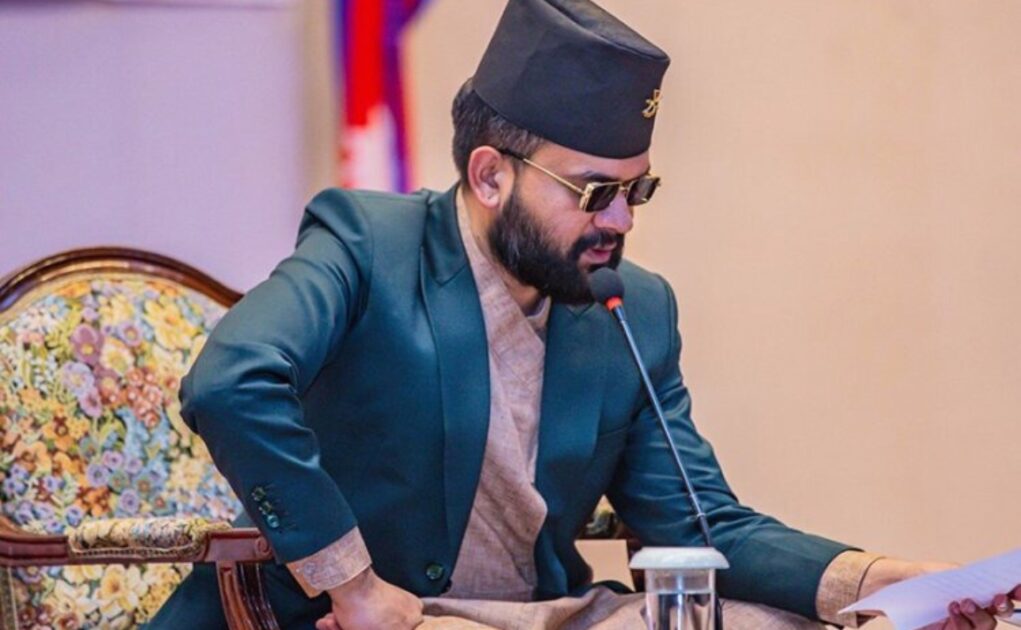
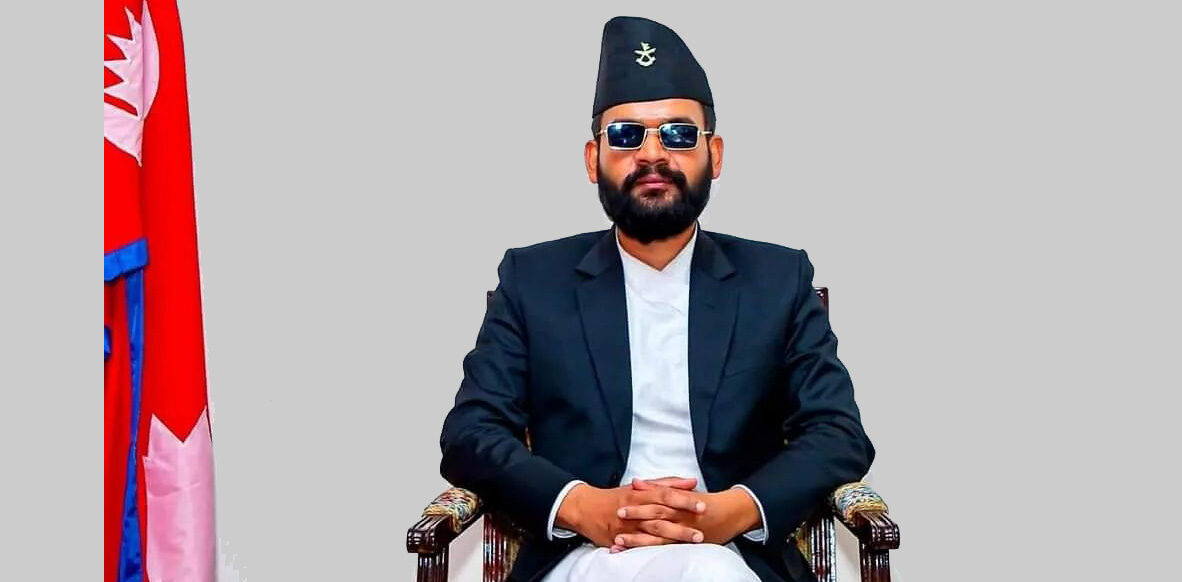
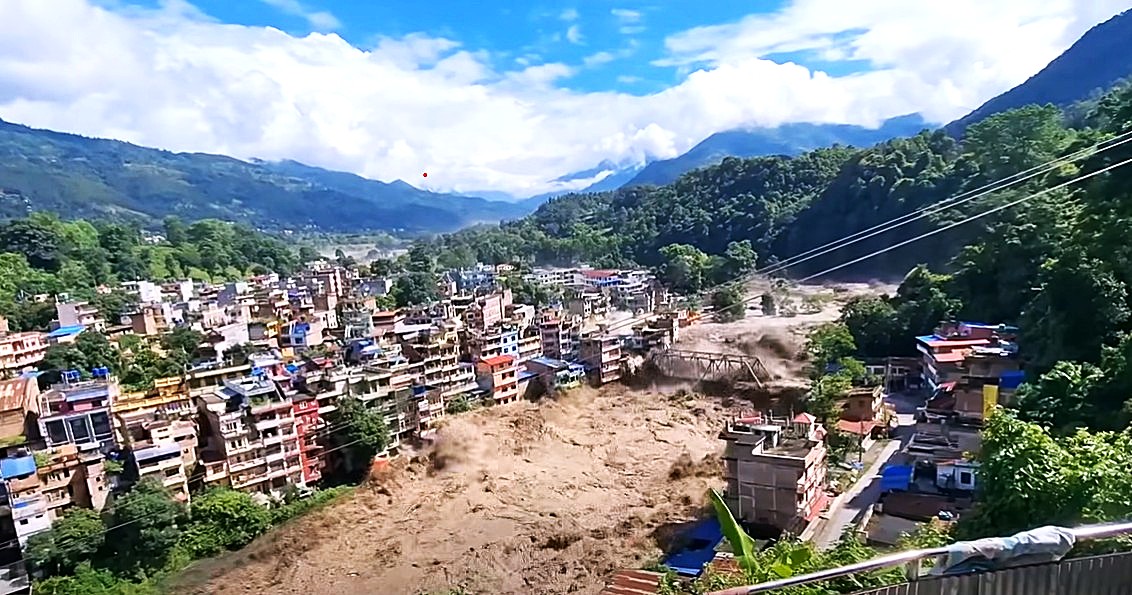
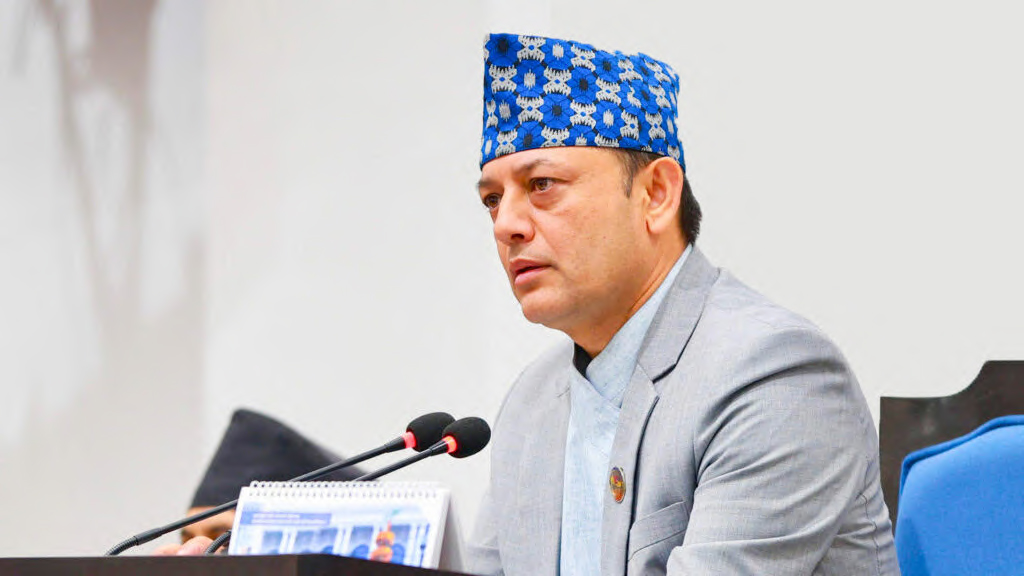
Kathmandu – Prime Minister Balendra Shah said on Monday that the government remains focused on search, rescue, medical care, relief and the safe management of citizens six days after the flash flood that tore through Rasuwa’s Bhote Koshi river on 26 August.
In a detailed briefing, Shah praised security personnel, civil servants, the media, officials, volunteer groups and ordinary citizens who have worked on the front line, often at personal risk. He also thanked provincial and local governments for their coordination with the federal government, and described support from India, China, the United States, the UAE, Qatar, Japan, Switzerland, Australia and other partners as exemplary.
Rescue and medical care
Authorities have so far rescued 11,379 people. 3,925 remain unaccounted for; that figure continues to fluctuate as contact is restored or new reports come in. Of 279 injured people admitted to hospitals, 168 have been discharged.
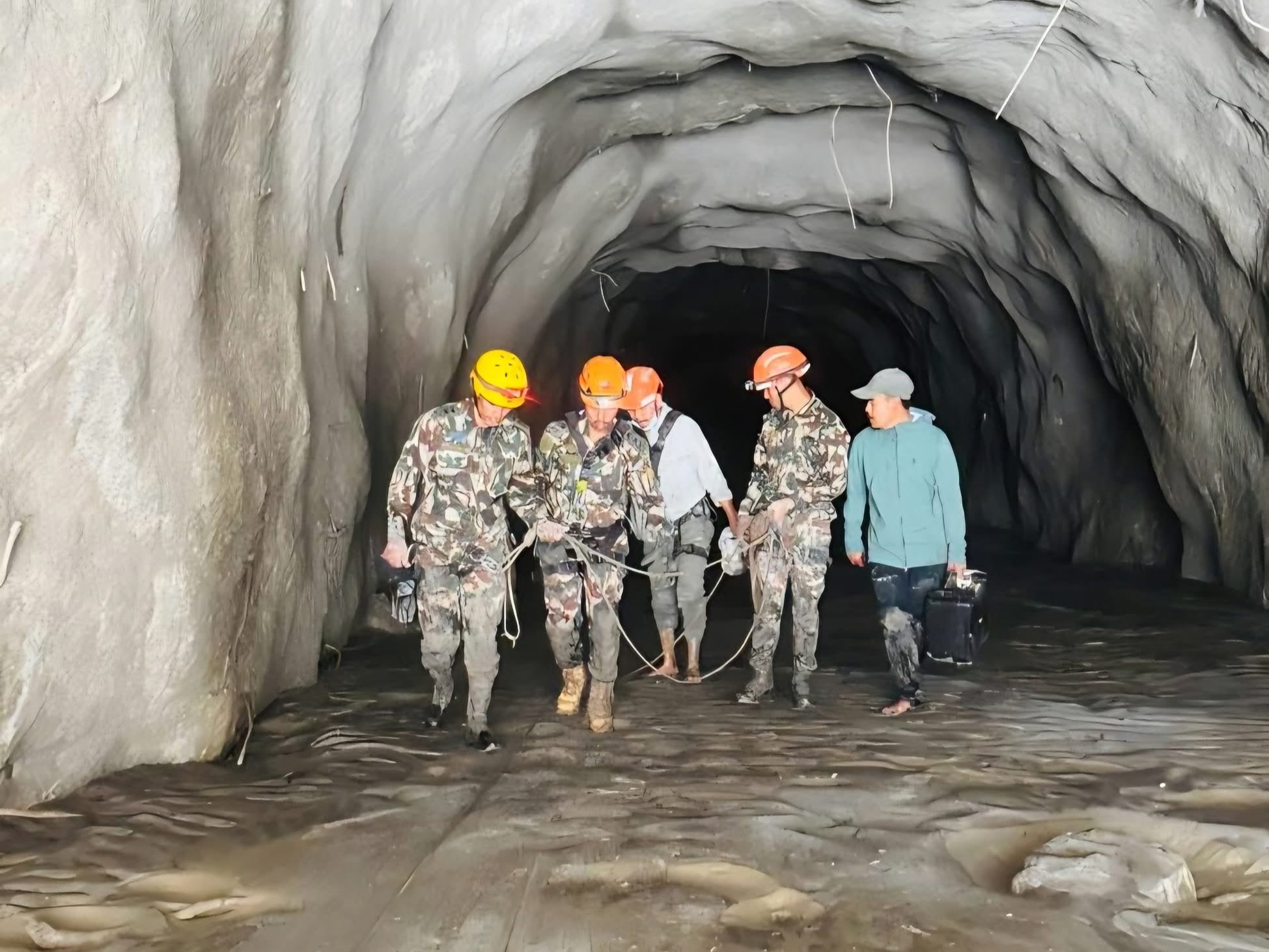
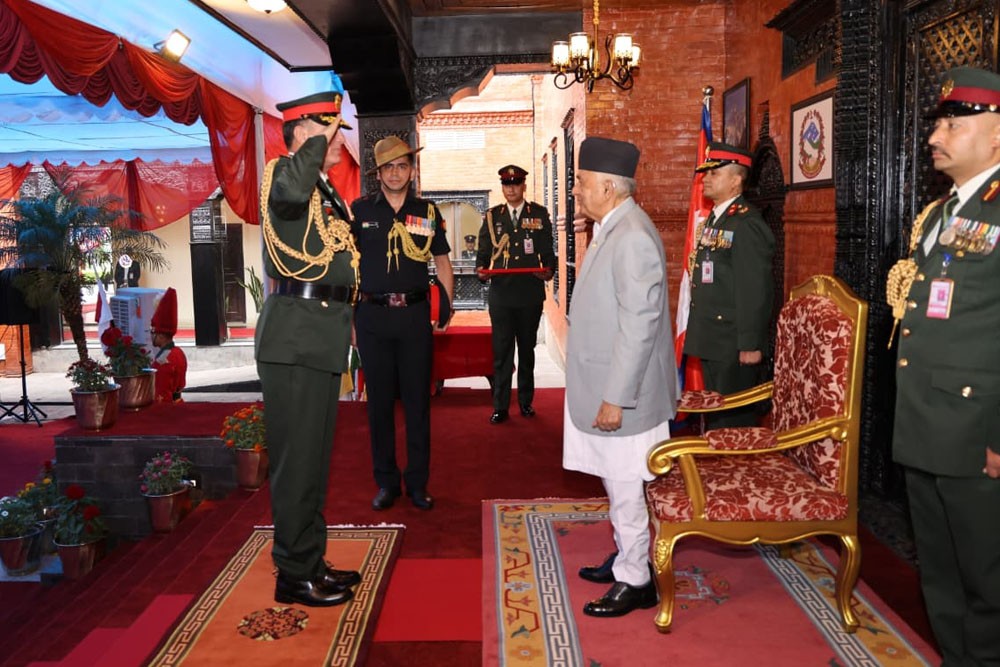
Rescue teams have also pulled workers from several damaged hydropower sites. The Nepali Army has rescued two people from Rasuwagadhi, nine from Mailung Khola, 254 from Upper Trishuli-1, two from Upper Trishuli-3B, three from the Trishuli project, four from Surya and four from Devighat. Joint teams including Nepali, Indian, Chinese and Korean personnel are still searching tunnels at several plants. At Rasuwagadhi, a joint Chinese-Nepali army team searched deep inside the tunnel and found no one remaining. At Langtang Khola and Chilime, work to open the tunnel mouth began this morning with Indian rescue support.
Relief
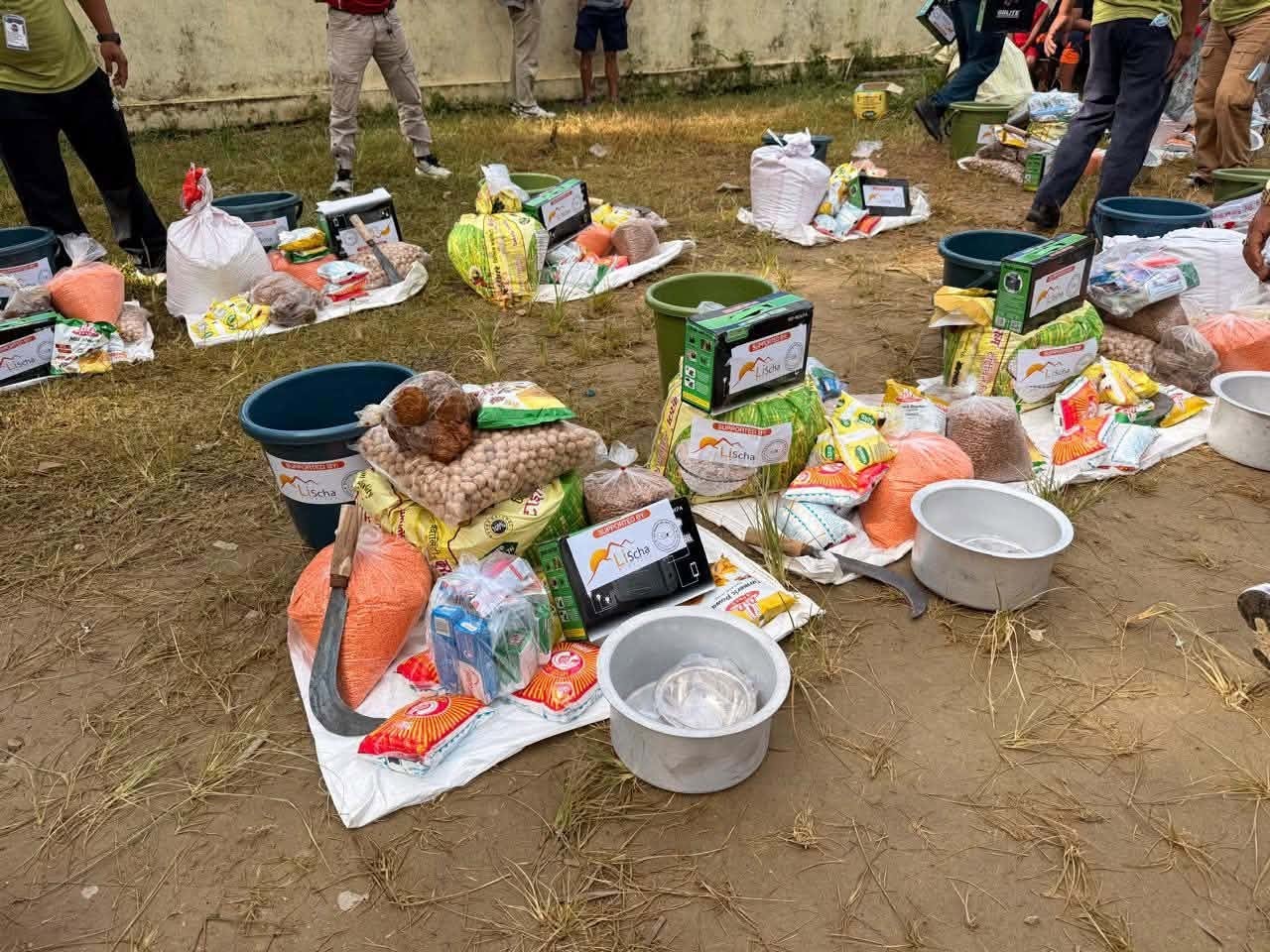
Search and rescue remain the immediate priority, but relief collection and distribution are also under way. Materials gathered in Kathmandu and other parts of the country — and contributions from abroad — are being moved to four collection centres serving Rasuwa, Nuwakot and Dhading, then on to 27 distribution points. Security forces have so far reached 3,696 affected people by air and road. Provincial and local governments are managing shelter and relief at those centres in coordination with Kathmandu. The National Disaster Risk Reduction and Management Authority is issuing regular updates, and secretariat staff have been deployed to the field to monitor how well distribution is working.
Funds
Money is being raised through the Prime Minister’s Disaster Relief Fund and the Prime Minister’s Fund. A public “rescue request portal” lists incoming contributions for transparency. By midday Monday, nine commercial bank accounts of the Prime Minister’s Relief Fund held Rs 5.87 billion (Rs 5,87,92,23,842). Himalayan Bank and Laxmi Bank accounts held a further USD 3.19 million (USD 31,93,238). Additional pledges have come from governments and organisations.
Roads and bridges
The far side of the Trishuli in Nuwakot is back on the road network. The Galchhi–Trishuli highway along the river’s right bank — via Kalleritar, Kosikhola, Piplatar, Darshantar, Chhatrekhola and Gauribesi — is open through to Trishuli Bazaar, restoring a direct link between a large population and the district headquarters and easing the movement of rescue teams, relief and essential goods.
Most bridges from Rasuwa and Nuwakot through Dhading remain down. The government has six 48-metre Bailey bridges and one 70-metre span in stock. Studies have been completed for three sites: the Tadi river at Devighat, Trishuli Bazaar and Betravati Bazaar. India has already supplied a 230-foot single-lane modular steel bridge and pledged seven more Bailey bridges. China is due to send 30 Bailey bridges shortly.
Power and communications
Electricity restoration is under way. In Rasuwa, supply has reached Kalikastan, parts of Naukunda, parts of wards 5 and 6 of Gosainkunda Rural Municipality and the district headquarters at Dhunche — about 30 percent of households. Five hundred portable solar units have been sent for remaining areas; a separate feed from the Sanjen project is being prepared for parts of Amachodingmo. Nuwakot is at 85 percent restoration, with the remaining 15 percent targeted within five days. Dhading is at 98 percent, with full coverage expected in two days.
Of Nepal Telecom’s 120 BTS sites, 110 are back in service. Of Ncell’s 78 towers, 75 are operating.
The dead
939 bodies have been recovered. Unidentified remains are being handled under the Unidentified and Unclaimed Dead Body Management (First Amendment) Directive, 2083, with DNA and other identifying material preserved where recognition is not possible. Identified bodies are being handed to families. The army, Nepal Police and Armed Police Force are supporting the work.
A Himalayan-scale disaster
Shah described the event as far more than an ordinary flood. It was triggered by an ice-and-rock avalanche in the high Himalaya and is among the gravest disasters the region has seen. He said it underlines rising climate risk and that Nepal must press the issue more strongly with the international community.
What comes next
Alongside ongoing search and rescue, the government has begun talks on rehabilitation. Local governments are helping compile numbers of affected people and the scale of physical damage. Thousands have lost homes, family members and livelihoods. The government said it understands that loss and will work to restore people, physically and mentally, to ordinary life. Fundraising for reconstruction continues.
Shah said he received a full briefing today from the chiefs of the Nepali Army, Nepal Police and Armed Police Force, and is taking regular updates from cabinet members, federal lawmakers and others deployed in the field. That process will continue.