


PM Shah: 12,038 rescued, 1,259 dead, search on for 5,083 missing after Bhotekoshi flood

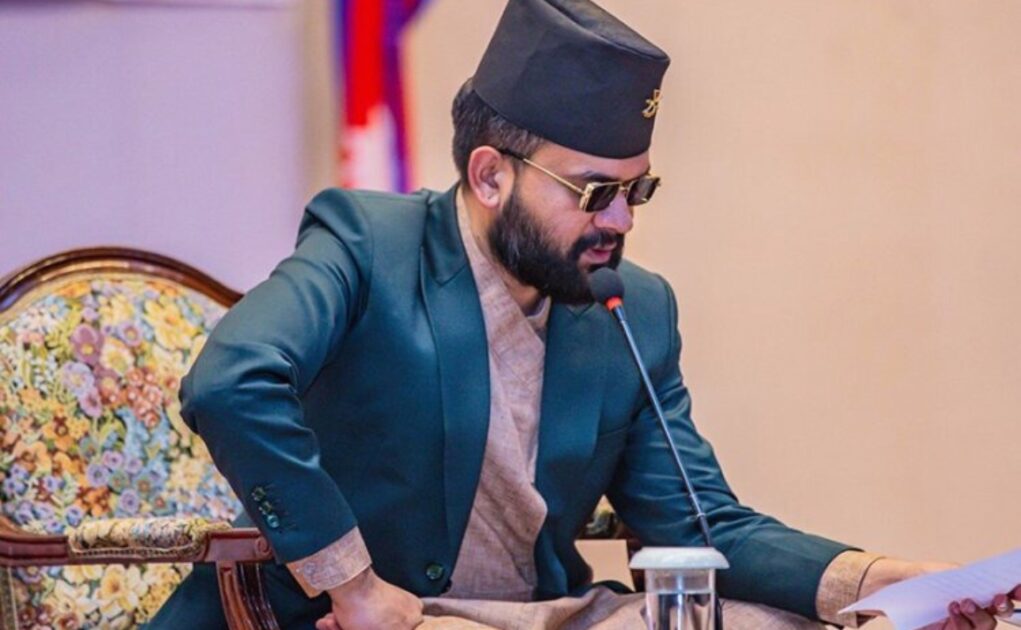
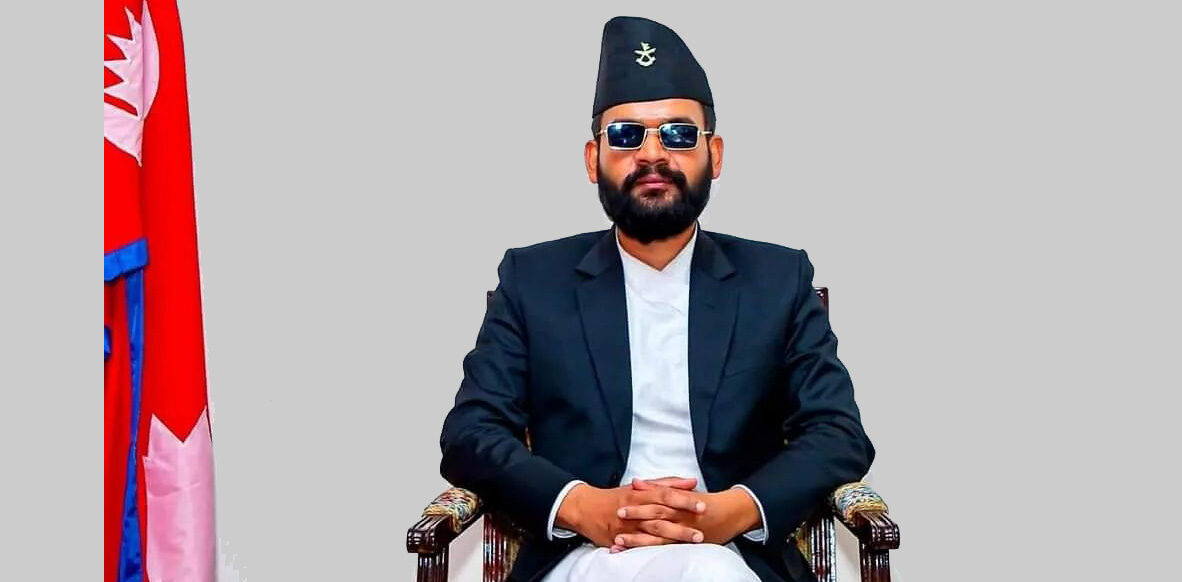
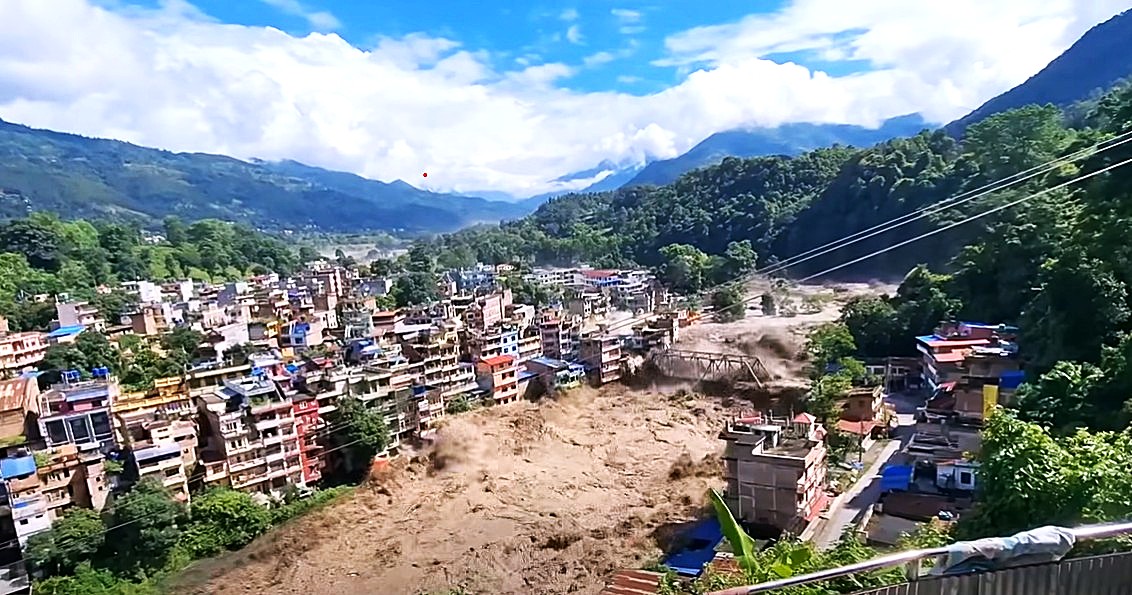
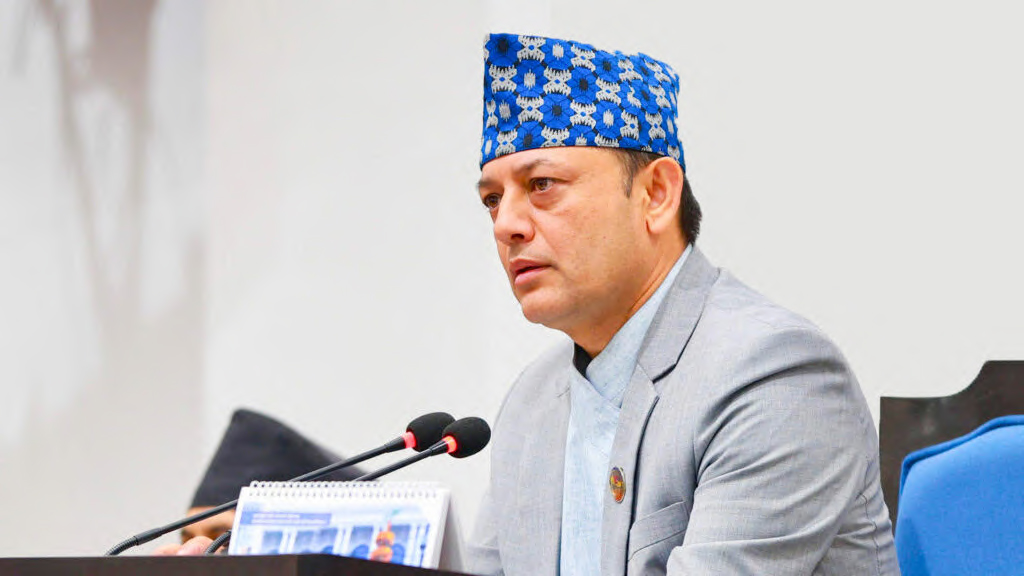
Kathmandu — Prime Minister Balendra Shah said Thursday evening that search, rescue, relief and reconstruction work is continuing around the clock after the devastating Bhotekoshi flash flood that struck Rasuwa on Bhadra 10 (August 26), with international assistance flowing in and thousands still unaccounted for.
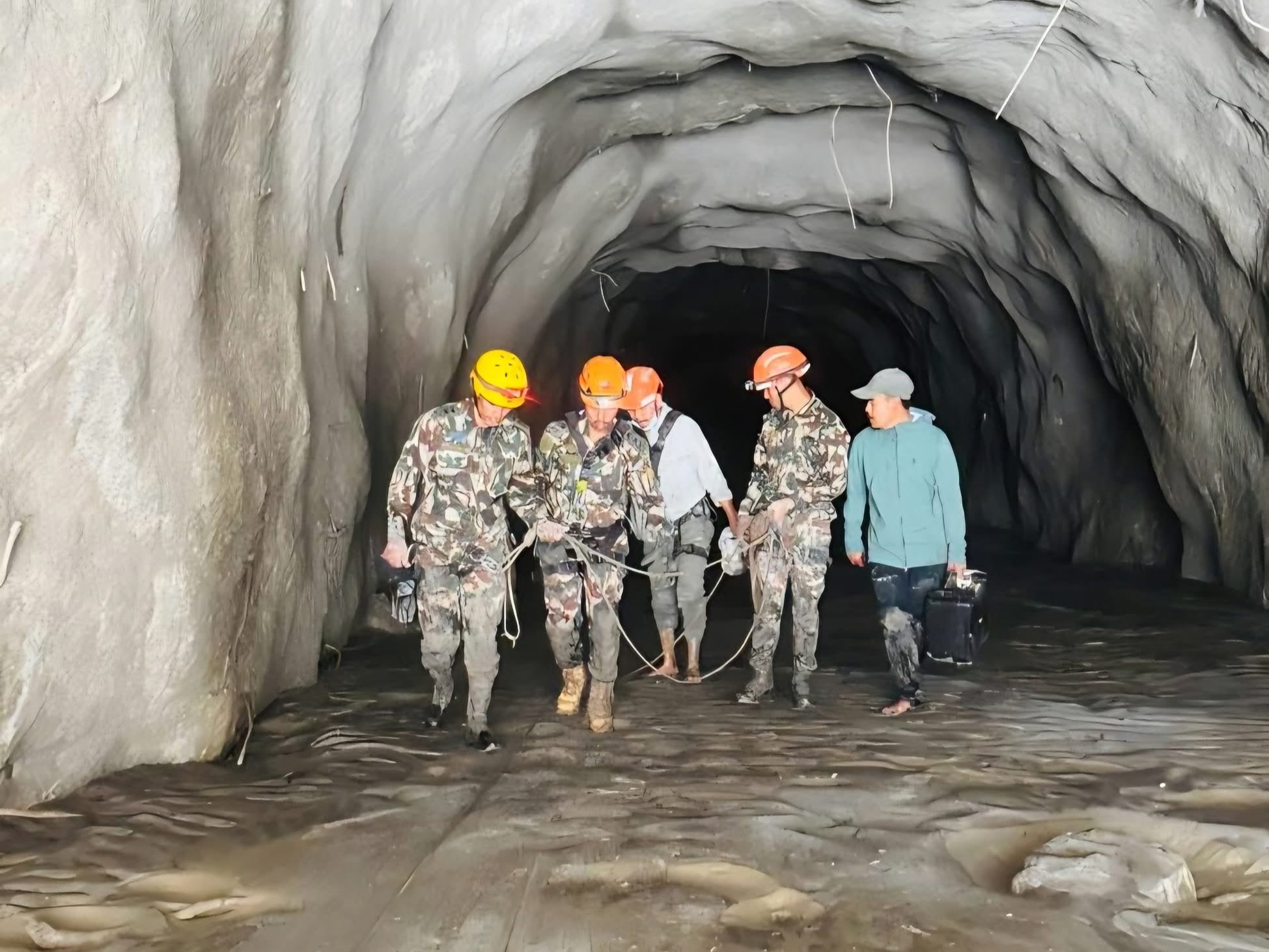
In a detailed Facebook briefing, Shah said the government has rescued 12,038 people so far. Authorities have recovered 1,259 bodies, while the search for 5,083 people who remain out of contact is ongoing. Detailed casualty and missing-person data collection continues, including at damaged hydropower sites where Nepal Army teams are working with experts from India, China and South Korea.
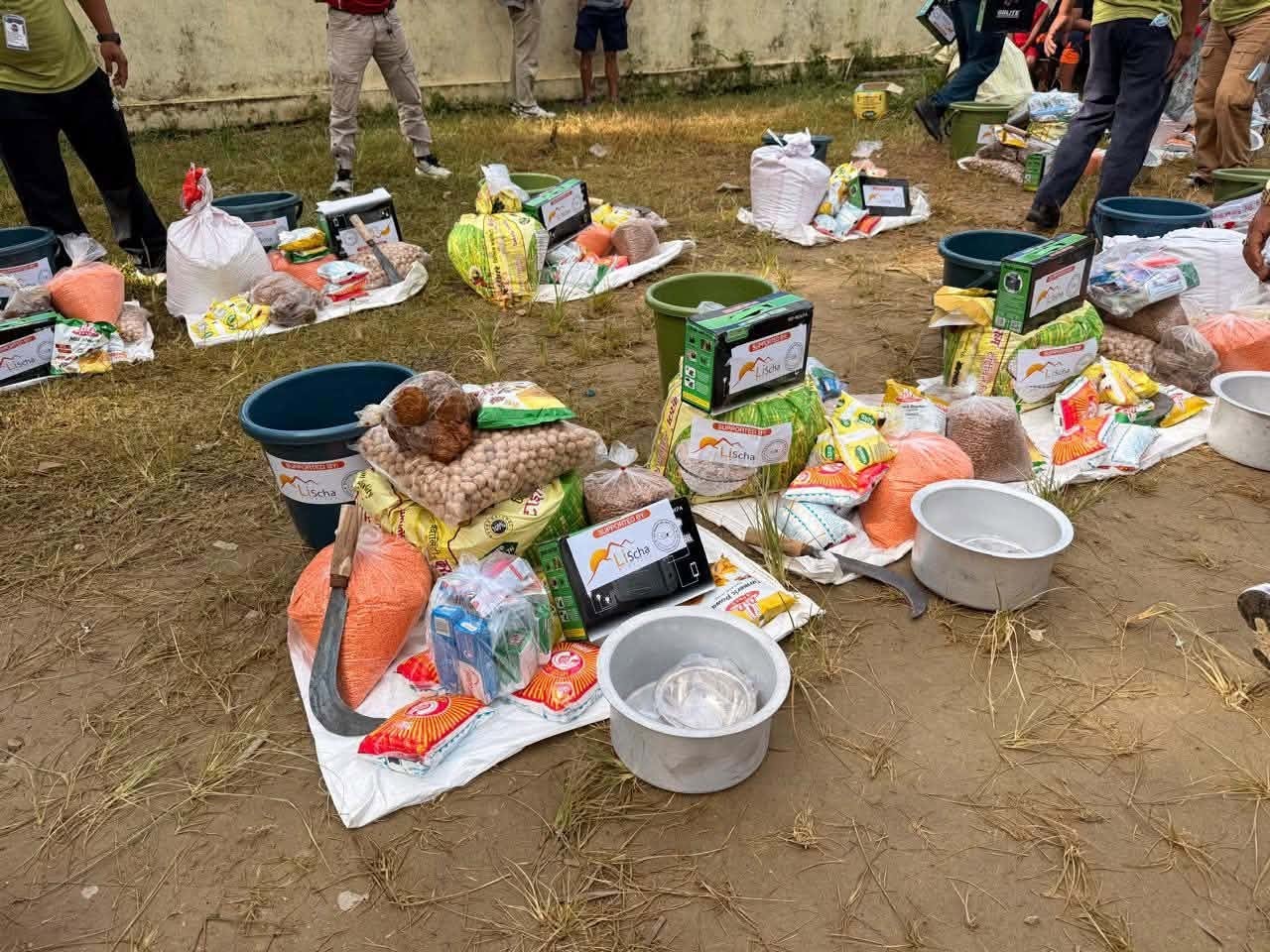
“Natural disaster management is challenging for everyone, but we are using available resources and working day and night,” Shah said. He noted that some affected families have begun arranging their own temporary shelters, while the government continues daily helicopter drops of relief supplies.
Authorities, in coordination with provincial and local governments, are operating holding centres. In Nuwakot, 2,796 people are staying in 24 centres. Five centres in Rasuwa house 195 people, and two centres in Kathmandu are sheltering 300 people from Rasuwa. About 4,500 people in various parts of Rasuwa are receiving daily helicopter-delivered food, clothing and essential items. Psychosocial counselling and health services are also being provided.
The Cabinet declared affected local units disaster crisis areas for three months under the Disaster Risk Reduction and Management Act. Shah said the Prime Minister’s Office remains in direct contact with local officials and representatives. He visited the area the day after the flood and held discussions with Bagmati Province Chief Minister and the National Disaster Risk Reduction and Management Authority on clearer division of responsibilities.
Power has been restored to all but 5.77 percent of households in affected areas, and communications services are largely back. Road, bridge, water, health and school repairs are being treated as a priority.On the Galchhi–Muglin road, work has begun on a gabion breast wall at Krishna Bhir so vehicles can use the hillside alignment; tree cutting and track opening started Thursday. Long-term options including a tunnel, soil nailing and sheet piles will be studied. Traffic is targeted to resume on that section within Bhadra. A diversion is already operating at Parewa Bhir and is being upgraded.
On the Trishuli–Betravati stretch, silt has been cleared from 8 of 10 kilometres, with work continuing on the rest; an emergency tender has been issued for another 35 damaged kilometres. Foundation work has started for a Bailey bridge at Tadi, with an attempt to place the bridge by Friday. Survey and foundation work are under way at Betravati; a 120-metre Bailey bridge is planned at Trishuli. Nepal has requested 10 double-lane Bailey bridges longer than 70 metres from the British Embassy.Climate and international supportShah described the flood as a “painful” event linked to climate change and melting Himalayan ice, saying Nepal had long warned the world of the risks.
“We must seek answers from the international community and answer to human civilisation,” he said.India has provided 74 tonnes of relief and rescue materials in five phases plus expert teams. China has given NPR 300 million and 50 tonnes of supplies; Nepal has requested 30 Bailey bridges. Pakistan is sending 86 tonnes. Sri Lanka has pledged USD 1 million. The United States has committed USD 500,000. Australia has pledged USD 1 million plus a specialist drone team. The UAE has delivered 83 tonnes and pledged up to USD 10 million. Qatar sent 40 tonnes. The UK has announced £5 million.
Additional pledges have come from the EU, Switzerland, Denmark, Germany, Ireland, Czech Republic, Norway, France, Luxembourg and Latvia. The World Bank has committed a USD 167 million concessional loan; the Asian Development Bank has offered a USD 5 million grant and USD 150,000 in technical assistance.
Shah expressed confidence that Nepal will recover quickly. Search operations for those still missing, including people feared trapped in hydropower tunnels and 114 Nepalis stranded in Kerung, China (being facilitated via Tatopani), continue. Cargo containers are planned to enter via Korala.