






Cross-Border Flash Flood Hits Bhotekoshi as Monsoon Disasters Escalating Across Nepal

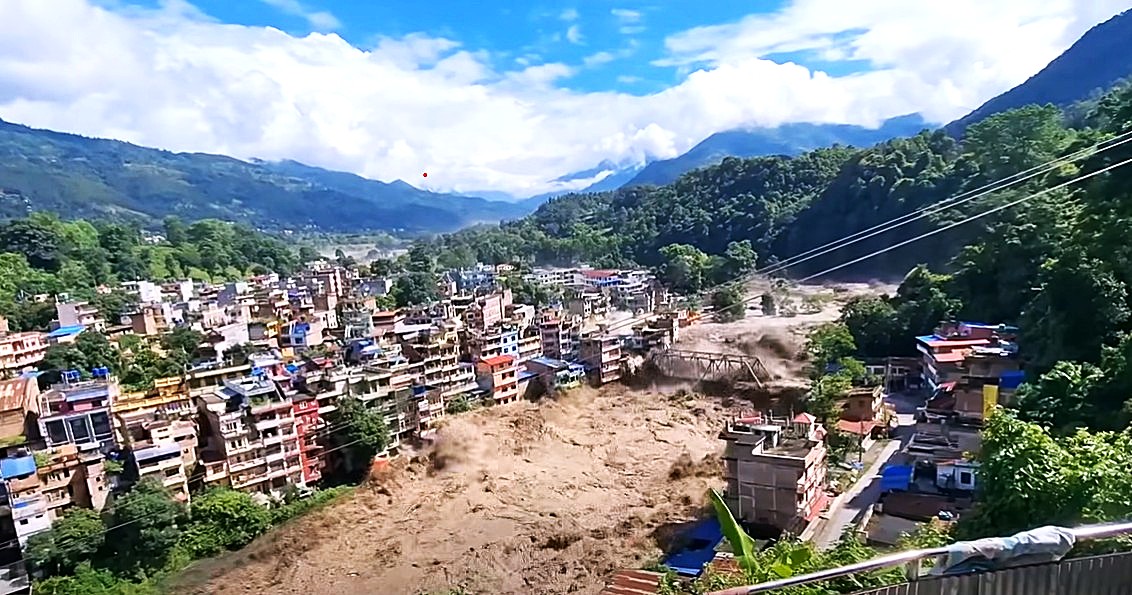
KATHMANDU / RASUWA — A catastrophic flash flood originating from the Tibetan region of China struck the Bhotekoshi River basin in northern Nepal, causing widespread damage to border settlements in Rasuwa and triggering high-alert emergency protocols across multiple downstream districts.
The disaster adds to a grueling monsoon season that has already claimed scores of lives, displaced thousands, and severed vital arterial highways across the nation.
Transboundary Flood Sweeps Border Settlements
According to the Rasuwa District Administration Office, the surge entered Nepali territory at approximately 9:00 AM, unleashing torrents of water and debris into the Timure and Rasuwagadhi border corridor.
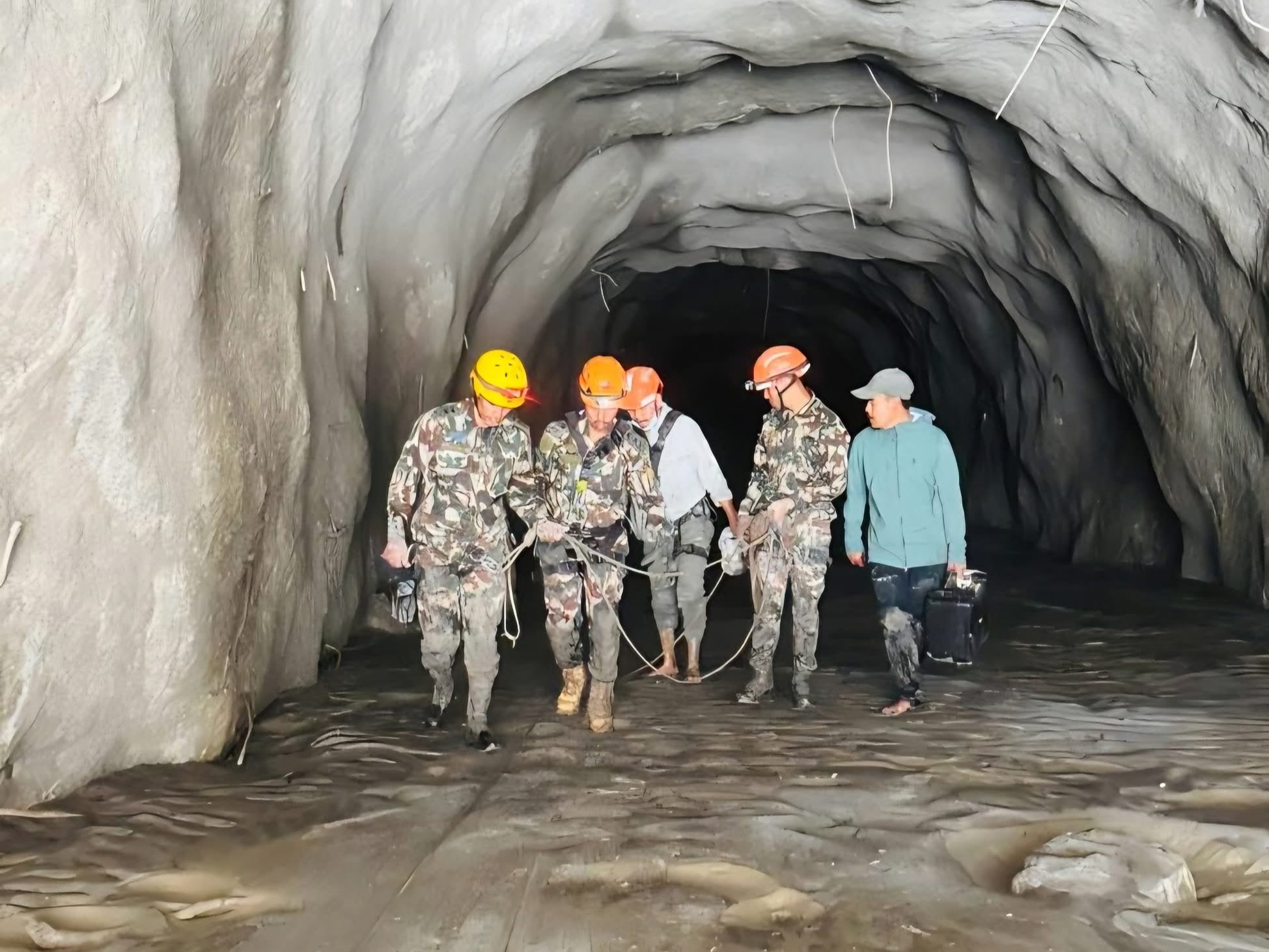
Initial reports indicate that the flash flood swept away local market infrastructure, damaged residential settlements, and disrupted the crucial dry port area near the Nepal-China border. While local security personnel and Armed Police Force units were immediately deployed for emergency search and rescue operations, authorities confirmed that assessing the complete scale of destruction remains challenging due to ongoing mudflows and damaged communication lines.
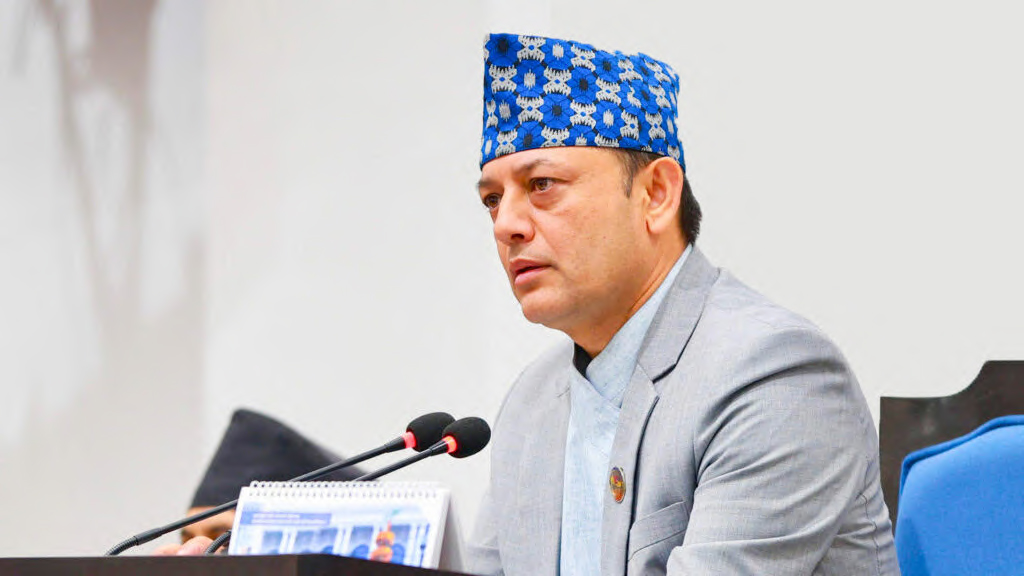
Rasuwa Chief District Officer Narendra Pariyar confirmed that the sudden surge originated across the northern border in Tibet. Hydrological experts suspect the event may have been triggered by a glacial lake outburst flood (GLOF) or a massive landslide dam breach upstream in the high Himalayan region of Tibet.
Downstream Districts Placed on High Alert
Following the surge along the Bhotekoshi and Trishuli river corridors, the Flood Forecasting Division under the Department of Hydrology and Meteorology issued urgent flash flood warnings.
Communities residing along riverbanks in Nuwakot, Dhading, Gorkha, and Chitwan—extending down to Muglin—have been urged to evacuate low-lying areas and seek higher ground immediately. By Wednesday afternoon, the floodwaters had already reached Nuwakot, prompting local District Coordination Committees to organize emergency relief responses.
In Kathmandu, the Prime Minister’s Office instructed all private and commercial helicopter operators across the country to remain on standby for emergency airlifts, medical evacuations, and relief supply drops.
Widespread Monsoon Destruction and Infrastructure Paralysis
The Bhotekoshi flood highlights a broader crisis across Nepal as relentless monsoon rainfall continues to destabilize hillside slopes and swell major river systems.

Police data reveals that monsoon-triggered landslides and inundations have disrupted movement along crucial national highways, including the Arniko Highway, BP Highway, Kanti Lokpath, and Mid-Hill Highway. Key transit corridors connecting the Kathmandu Valley to the rest of the country remain partially blocked or subjected to strict night-time travel bans due to high landslide risks.
Nationwide, monsoon-related disasters have caused dozens of fatalities and inflicted severe damage on physical infrastructure, including hydropower facilities, suspension bridges, and agricultural land. The National Disaster Risk Reduction and Management Authority (NDRRMA) warned that saturated soil conditions across Bagmati, Koshi, and Gandaki provinces significantly elevate the ongoing threat of secondary landslides and secondary flash floods in the days ahead.
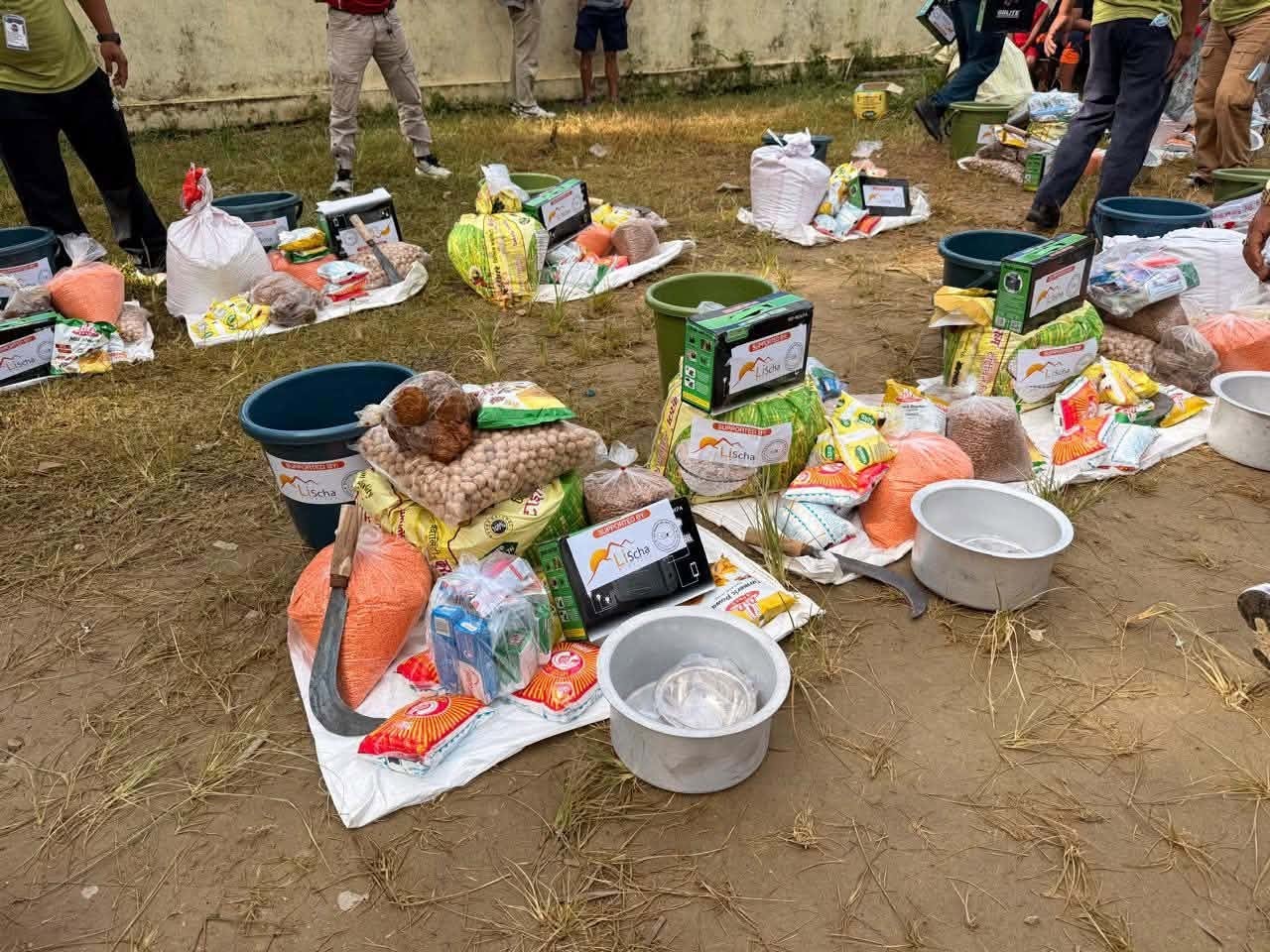
Relief and rescue operations involving the Nepali Army, Nepal Police, and Armed Police Force remain underway in affected districts, while local authorities urge citizens along all major river basins to exercise extreme caution.