



The Great Global Realignment: As Western Alliances Fracture, A New Multipolar Order Emerges

KATHMANDU – A flurry of high-level diplomatic activity across continents in recent weeks has signaled a definitive shift in the post-World War II geopolitical landscape. From Berlin to Beijing, and New Delhi to Ottawa, world leaders are recalibrating their foreign policies in real-time. The driving force behind this seismic shift appears to be a collective preparation for a world where the United States, influenced by the “America First” doctrines epitomized by Donald Trump’s policies, is no longer the undisputed guarantor of global security or economic norms.
This realignment is not subtle. It is marked by traditional allies hedging their bets, former adversaries seeking common ground, and emerging powers solidifying their stakes in a rapidly evolving multipolar world.
The Transatlantic Fracture and European Autonomy
Perhaps the most significant indicators of change are coming from Europe, the traditional bedrock of the Western alliance. The realization that reliance on Washington may no longer be sustainable is driving profound policy shifts.
Germany, historically pacifist since 1945, is undertaking a dramatic remilitarization. The Zeitenwende (turning point) in German policy reflects a Berlin that recognizes it must eventually secure its own backyard. Simultaneously, French President Emmanuel Macron has grown increasingly vocal in criticizing isolationist US policies, actively pushing for European “strategic autonomy”—the idea that Europe must act independently on the world stage, economically and militarily.
Adding to this chorus is Canadian Prime Minister Justin Trudeau, who has publicly discussed the need to navigate a “new world order,” acknowledging that the rules-based system championed for decades is under immense strain.
New Axes of Influence: The Asian Pivot
As the transatlantic bond strains, new partnerships are being forged, with Asia at the center.
The United Kingdom, navigating its post-Brexit reality and wary of total reliance on an unpredictable US, is making overtures to China. The British Prime Minister’s engagement with Beijing suggests a pragmatic attempt to stabilize economic ties, despite political differences, acknowledging China’s irreplaceable role in the global economy.
Conversely, the European Union is aggressively diversifying away from both Russia and over-reliance on China by pivoting to India. The recent high-profile presence of EU leadership around India’s Republic Day celebrations underscored this. The visit was not mere symbolism; it solidified groundbreaking agreements centered on trade, technology, and security cooperation. The EU now views India not just as a market, but as an essential strategic counterweight in the Indo-Pacific.
The View from the Developing World
For the developing world—often referred to as the Global South—this fragmentation of elite power presents both opportunity and peril. Nations in Africa, Latin America, and diverse parts of Asia are no longer facing a simple binary choice between Washington and Moscow, as in the Cold War.
Instead, they are being courted by multiple power centers—China via the BRI, the EU via its Global Gateway, and India as a voice for developing nations. This environment allows developing countries more agency to negotiate deals based on national interest rather than ideological alignment, but it also increases the risk of being caught in the crossfire of great power competition.
The Nepalese Perspective: Navigating the New Storm
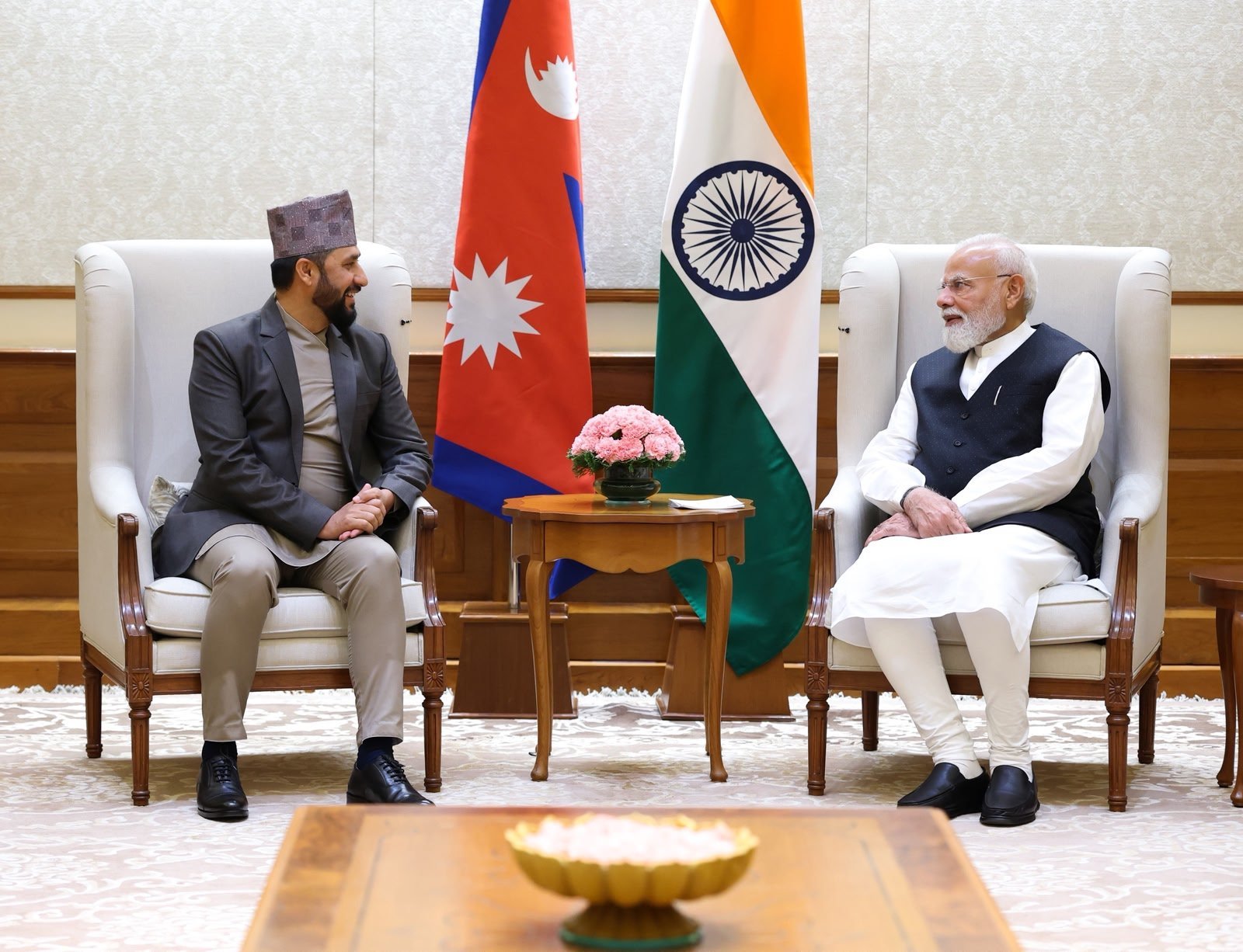
For Nepal, situated geostrategically between rising superpowers India and China, these global shifts hold immense significance. The comfortable days of relying solely on a predictable regional status quo are fading.
The rise of India as a global player, courted by the West to counter China, directly impacts Kathmandu. As New Delhi strengthens ties with the EU and US, its confidence in its neighborhood policy may grow. Meanwhile, China’s continued assertiveness ensures its interest in Nepal remains high.
The global fracturing means Nepal cannot afford passivity. The recent engagements of global powers in Nepal—from the American Millennium Challenge Corporation (MCC) compact to Chinese infrastructure projects—are microcosms of this larger global competition.
Nepal’s foreign policy challenge is now more complex. It must move beyond traditional “equidistance” toward proactive, diversified diplomacy. The rise of middle powers like Germany and France, and alternative blocs like the EU, offers Nepal avenues to reduce exclusive dependence on its immediate neighbors.
However, the risk remains real. As major powers concentrate military strength and prioritize narrow national interests, smaller nations like Nepal must ensure their sovereignty is not compromised in the grand bargaining of this new, uncertain world order. The era of a single global policeman is over; the era of complex, multilateral maneuvering has begun.