The Architect of Light: Can Kulman Ghising’s Visionary Pragmatism Redefine Nepal’s Future?

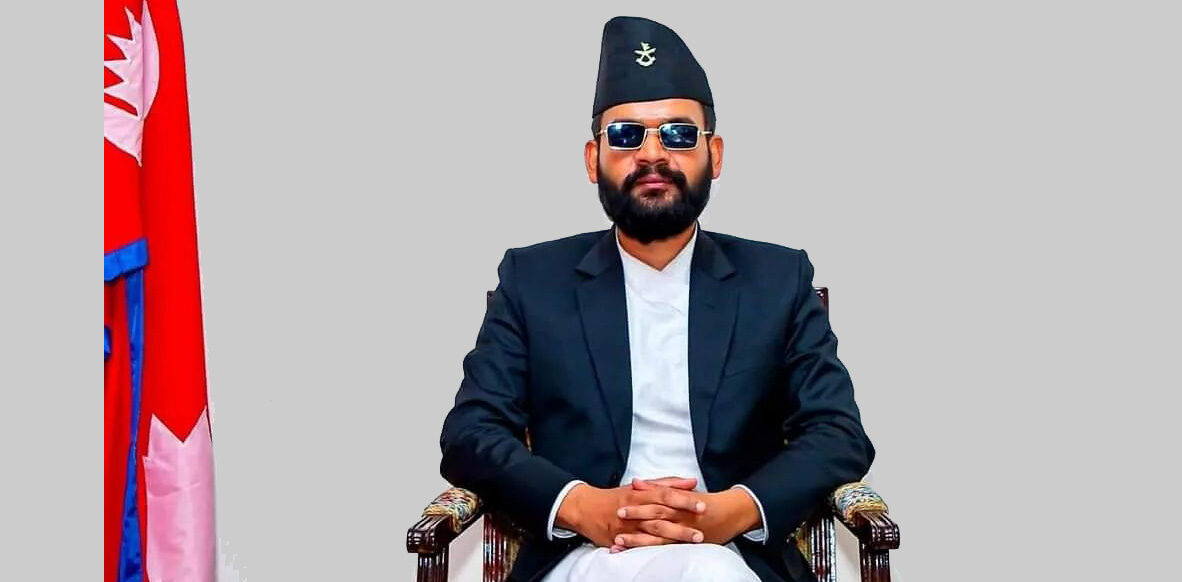
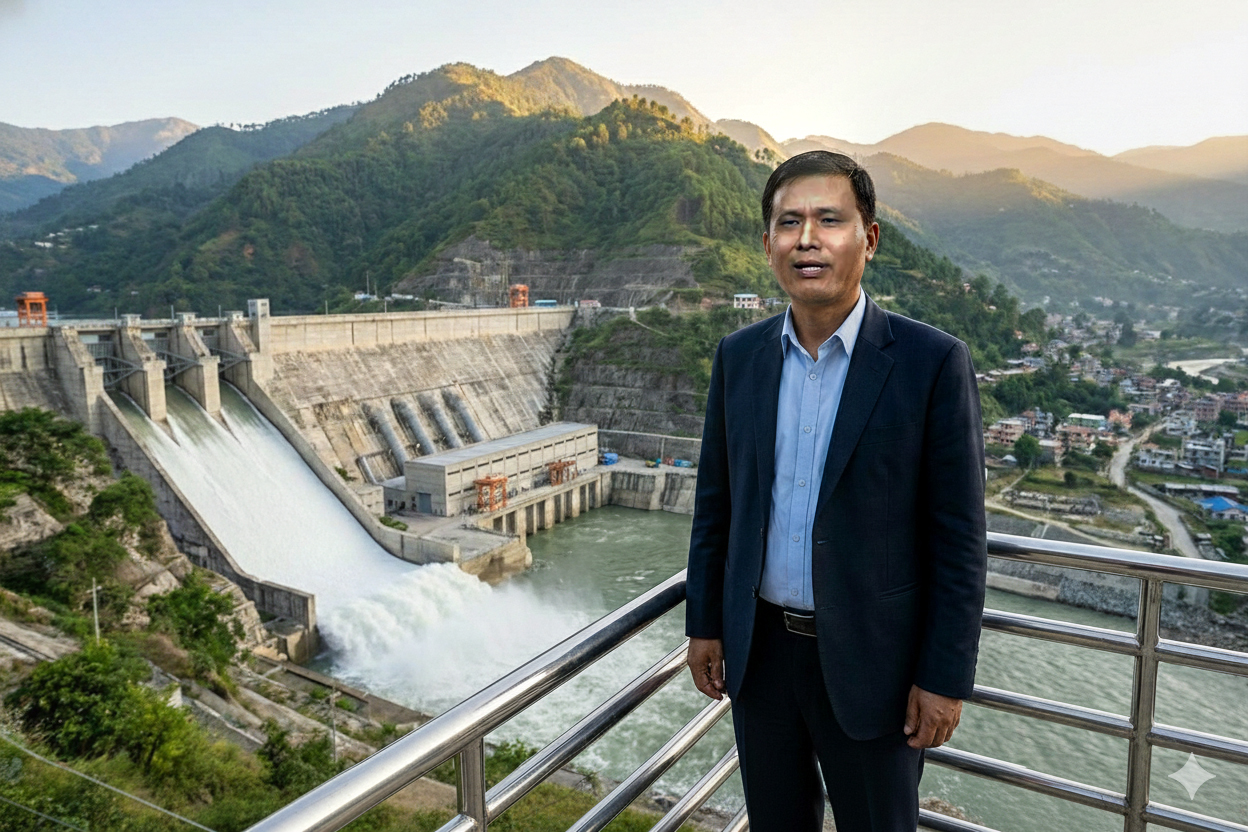
In the collective memory of Nepal, the name Kulman Ghising is synonymous with a single, transformative moment: the flickering of a bulb that stayed on. For a generation that grew up studying under kerosene lamps and scheduling their lives around 18-hour blackouts, Ghising’s declaration of a “Load-shedding Free Nepal” in 2018 was more than a technical achievement—it was the first time in decades that the public felt a state institution actually worked for them.
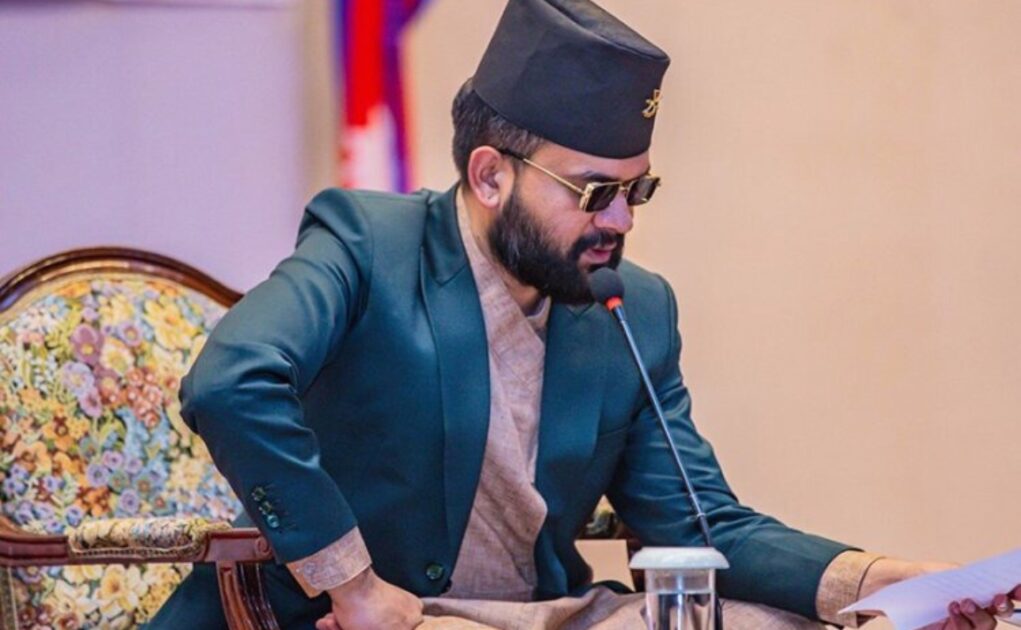
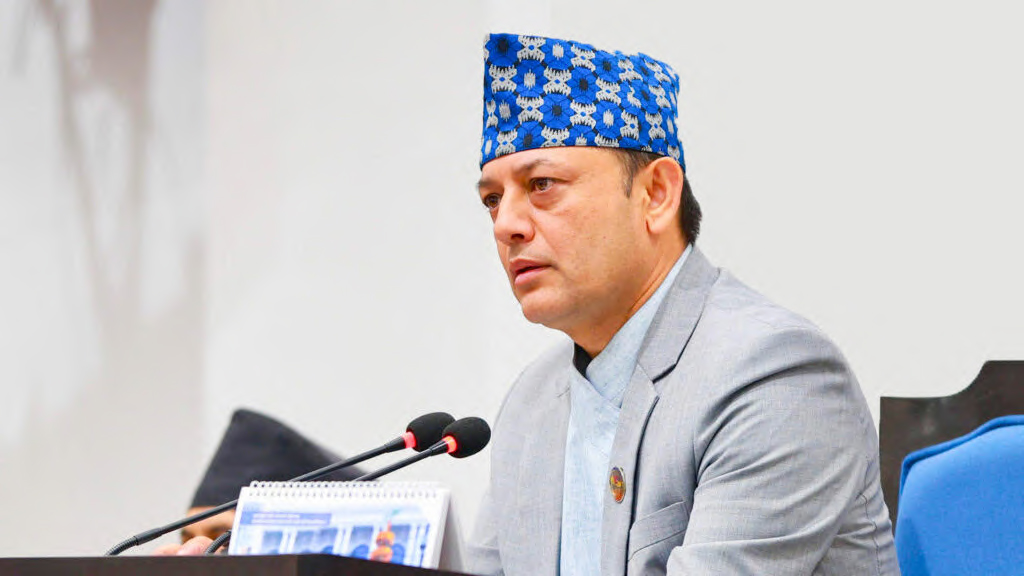
Today, the man dubbed the “Lightman of Nepal” has transitioned from the corridors of the Nepal Electricity Authority (NEA) to the volatile arena of national politics. As the leader of the newly formed Ujyalo Nepal Party, Ghising is contesting the 2026 general elections, carrying a legacy that balances immense public adoration with the heavy burden of “Gen Z” expectations.
The Scholar from Amar Adarsha
Ghising’s journey to becoming a national icon began with a relentless pursuit of excellence. Those who knew him during his school days at Amar Adarsha Secondary School recall a student of quiet intensity. He was famously rumored to have narrowly missed the SLC (School Leaving Certificate) board-topper list—a feat that, in the Nepali education system, marks one for life as a person of exceptional merit. That academic rigor paved his way to a full scholarship in Jamshedpur, India, where he honed the electrical engineering skills that would later dismantle Nepal’s “dark age.”

Beyond Electricity: The Managerial Midas Touch
While Ghising is best known for the NEA, his career is defined by a “bottom-up” philosophy of development. His work with the Chilime Hydropower Project remains a gold standard for inclusive capitalism in Nepal. By prioritizing local shareholding, Ghising ensured that the residents of Rasuwa weren’t just onlookers to progress but owners of it. Today, over 6,000 Rasuwa locals are considered “Lakhpatis” (millionaires) due to those shares—a model that transformed a rugged district into a hub of self-reliance.
More recently, during his tenure as Minister for Physical Infrastructure in the interim government, Ghising turned his attention to the “lifeline of Madhesh”—the Kamala Bridge. The project had been a symbol of state failure, languishing incomplete for 14 years. In a characteristic display of urgency, Ghising conducted on-site inspections last November, issuing a blunt ultimatum: complete the work or face contract termination. Today, with hume-pipe diversions easing the immediate struggle for Siraha and Dhanusha residents, the 469-meter bridge is finally nearing completion, proving that Ghising’s “delivery-first” approach extends far beyond the power grid.
The “Interim” Dilemma and the Gen Z Mandate
Ghising’s entry into the interim cabinet following the historic Gen Z revolution was born out of necessity. Public trust in traditional politicians had hit an all-time low, and Prime Minister Sushila Karki reportedly sought Ghising’s involvement to provide the government with a “technocratic soul.”
However, his decision to resign from the ministry to contest the elections has sparked a rare debate. Critics argue that interim ministers—tasked with conducting free and fair elections—should remain neutral. Yet, those close to Ghising, including PM Karki herself, have noted that he was transparent from day one: he would serve to his capacity and then seek a direct mandate from the people. Unlike others who jumped ship at the eleventh hour, Ghising’s departure was a calculated move toward what he calls “systemic light”—the idea that Nepal needs management, not just manifestos.
A Leadership of Solutions
As the election approaches, Ghising’s campaign slogans reflect a shift from personality to policy. Phrases like “Ujyalo only in lights isn’t enough; we need it in the system” resonate with a disillusioned electorate. His candidacy poses a fundamental question to the Nepali voter: Is the man who managed the impossible at the NEA the right man to manage the country?
Whether he is circulating the Mayadevi temple in solidarity with ascetic monks or inspecting bridges in the Terai, Ghising remains a figure of action. He doesn’t just promise light; he removes the excuses for darkness. For Nepal, a country often caught between its potential and its reality, Kulman Ghising represents a rare third option—a leader whose resume is written in the very infrastructure the nation relies on every day.