




Bhote Koshi disaster: 903 dead, 4,247 missing as search turns to buried tunnels and unidentified dead far downstream

Kathmandu – Six days after a catastrophic surge tore down the Bhote Koshi from the Nepal–China border, Nepal is confronting a disaster that is still unfolding on two fronts: people trapped under debris in the high valleys, and hundreds of unidentified bodies washed scores of kilometres downstream.
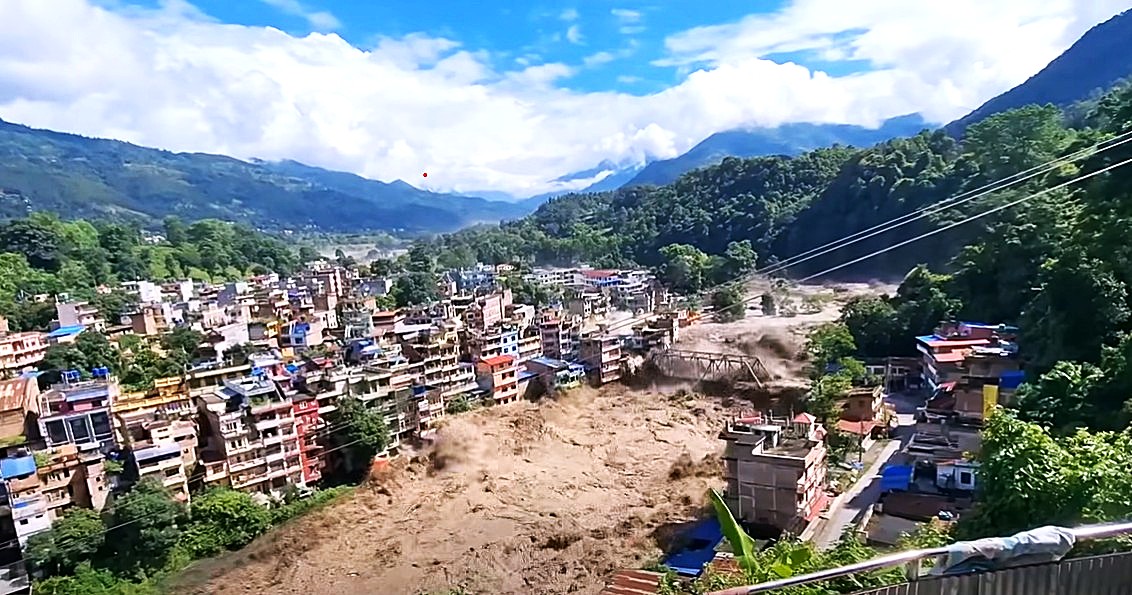
The flood of 26 August was not a typical monsoon swell. Officials and scientists say a massive ice-and-rock collapse in the Lhende Khola / Bhote Koshi system sent water, boulders, mud and ice racing through Rasuwa and on down the Trishuli. Latest figures available on Monday put the death toll in Nepal at 903. 4,247 people remain missing inside Nepal; combined Nepal–China tallies put the missing at nearly 4,800. More than 90,000 people are estimated to have been affected. Those numbers are still moving. Remote pockets remain hard to reach, and bodies continue to be recovered far downriver.
The grim work in Chitwan
One of the most painful scenes is not in Rasuwa but in Chitwan, hundreds of kilometres downstream on the Trishuli–Narayani system.
By 31 August, 272 bodies had been recovered in Chitwan alone. Only 12 had been identified. 199 unidentified remains had been given temporary burial after DNA samples and other identifying material were preserved. Hospitals and morgues were overwhelmed; heat and decomposition made visual identification increasingly impossible.
Authorities insist the burials are temporary, not abandonment — a holding measure so that remains can later be exhumed if families come forward with a match. The decision has still drawn public anger. Hindu funeral rites and the hope of relatives still searching for the missing have collided with the practical limits of a disaster that carried the dead far from home.
Relatives have been circulating and studying photographs of unidentified victims while forensic teams collect samples and officials prepare graves. That image — families looking for a face in a downstream district they may never have visited — has become one of the defining pictures of the aftermath.
The search now is under the mud
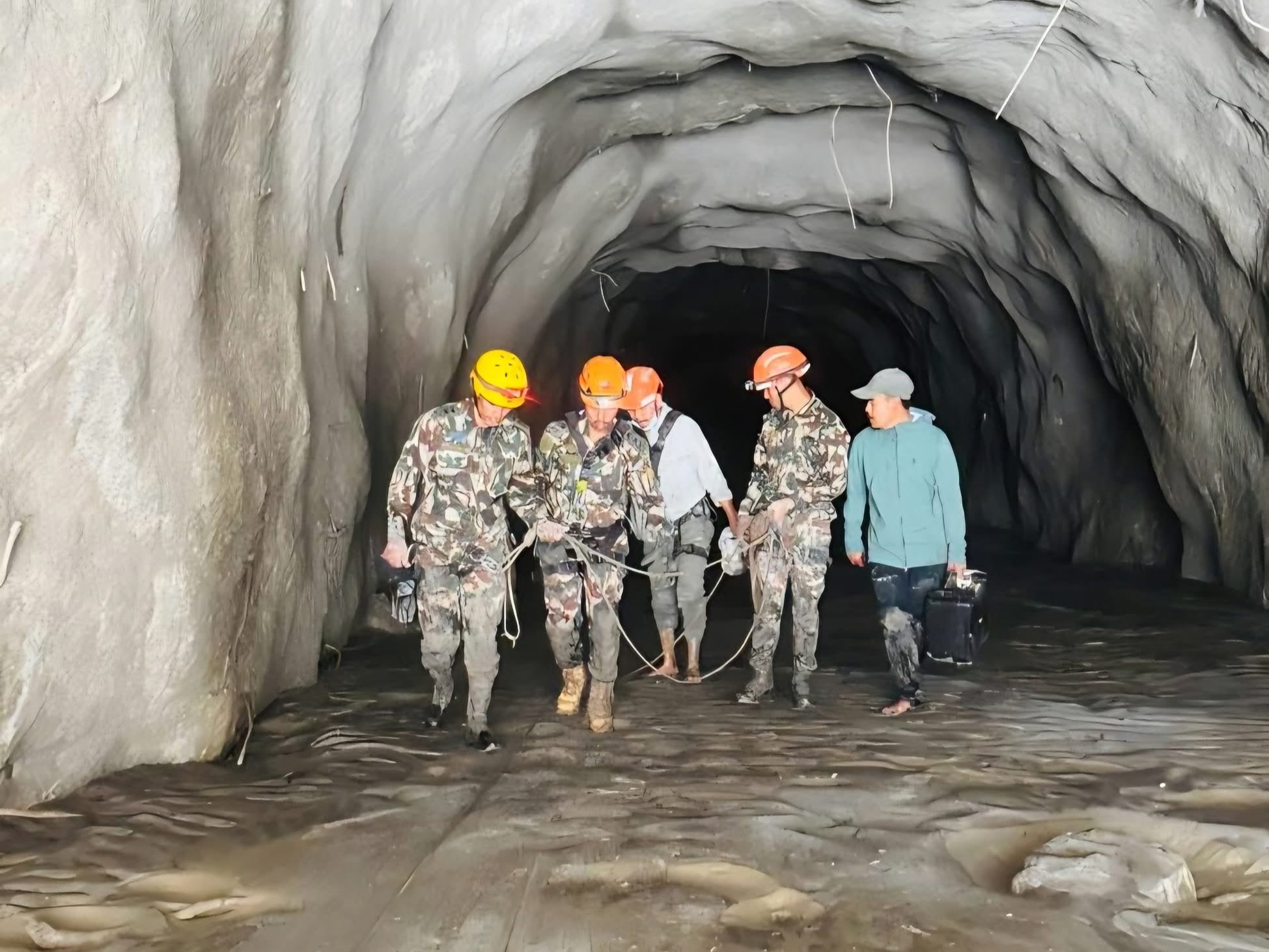
Evacuating riverside settlements was the first phase. The urgent work now is finding people buried under debris, especially at hydropower construction sites in Rasuwa and Nuwakot.
About 900 project workers are reported missing or unaccounted for across the affected plants. Upper Trishuli-1 saw around 250 people rescued over the weekend. 42 remain missing at Upper Trishuli-3A and 122 are feared missing at Upper Trishuli-3B. Rasuwagadhi, Chilime, Langtang Khola and Mailung Khola have also reported deaths or missing staff.
Nepali Army engineers are using excavators, controlled blasting, oxygen gear, cameras and other specialist equipment to force a way into blocked tunnels. China and India have sent technical help; other international teams are supporting the response. Progress is slow. Tunnels are choked with mud and rock, and every hour reduces the chance of finding anyone alive.
The routes that make rescue possible are gone
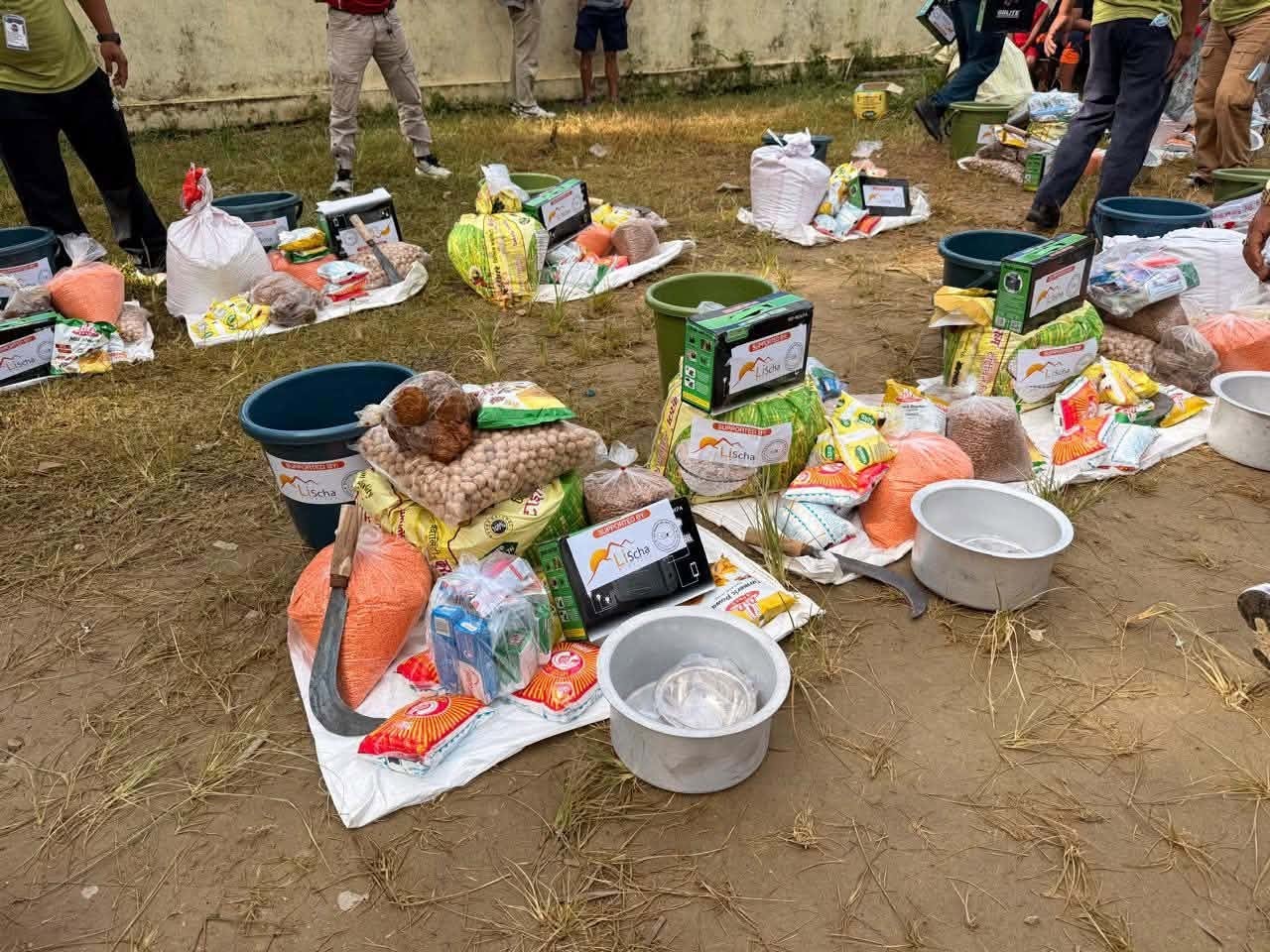
At least 27 bridges were listed as destroyed in early damage assessments. The Rasuwagadhi crossing that linked Nepal and China is gone, cutting a major trade and tourism corridor. Roads in the Himalayan valleys have been stripped or buried; fresh landslides keep threatening what remains. Some communities can be reached only by helicopter or on foot.
Communications failures in pockets of the disaster zone have made it harder both to identify the missing and to coordinate the teams trying to find them. The destruction is not only of infrastructure. It is of the lifelines needed to run the rescue itself.
The government says search, relief and the first steps toward rehabilitation are continuing in parallel. For thousands of families, the wait — for a name, a body, or news from a tunnel still full of mud — is not over.