







Nepali Rupee Hits Historic Low Against US Dollar as NRB Fixes Monday’s Selling Rate at 153.85

KATHMANDU — The Nepalese Rupee (NPR) has plummeted to a historic low against the US Dollar, highlighting the domestic currency’s continuous weakening trend on the global stage.
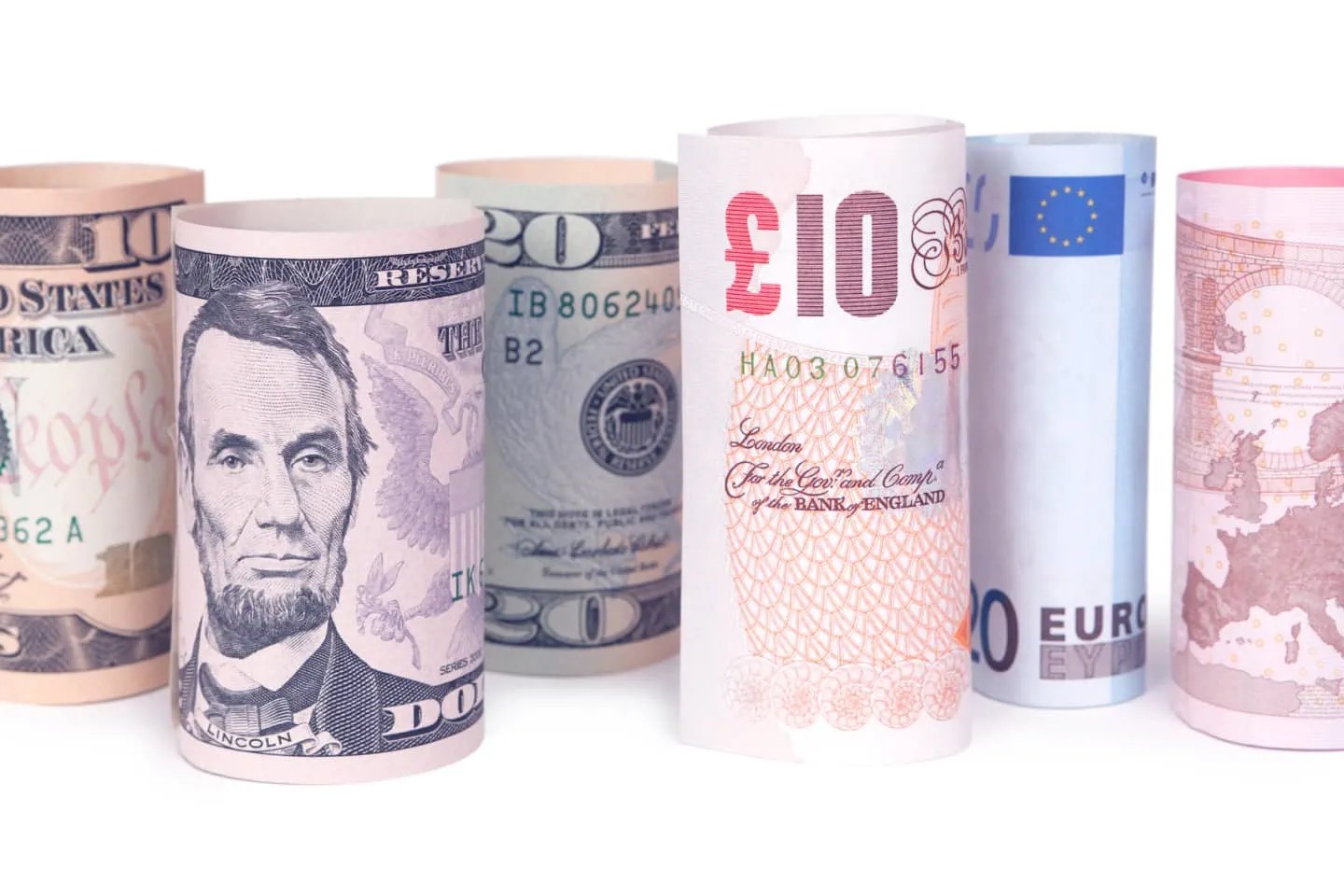
According to the official foreign exchange reference rates released by Nepal Rastra Bank (NRB) for Monday, the selling rate for one US Dollar has reached an unprecedented 153.85 NPR, while the buying rate is fixed at 153.25 NPR. Market analysts attribute this steep depreciation primarily to the strengthening of the greenback globally and the ongoing economic pressures within the region, as the Nepalese currency remains pegged to the Indian Rupee.
The central bank’s latest update also reflects a broader softening of the rupee against other major international currencies. For European markets, the exchange rate for the Euro has been set at 178.17 NPR for buying and 178.87 NPR for selling. The UK Pound Sterling is trading at 204.21 NPR (buying) and 205.01 NPR (selling), while the Swiss Franc stands at 194.71 NPR (buying) and 195.48 NPR (selling).
Among Oceania and North American currencies, the Australian Dollar is trading at a buying rate of 109.58 NPR and a selling rate of 110.01 NPR. The Canadian Dollar has been fixed at 111.46 NPR for buying and 111.89 NPR for selling, while the Singapore Dollar is valued at 119.66 NPR for purchase and 120.13 NPR for sale.
In the Asian and Gulf sectors, where remittance inflows are critical for Nepal’s economy, the Chinese Yuan is trading at 22.50 NPR (buying) and 22.59 NPR (selling). The Saudi Arabian Riyal is fixed at 40.84 NPR buying and 41.00 NPR selling, while the Qatari Riyal stands at 42.06 NPR buying and 42.23 NPR selling. The UAE Dirham is scheduled at 41.72 NPR for purchase and 41.89 NPR for sale. Additionally, 10 Japanese Yen can be bought for 9.65 NPR, and the Indian Rupee retains its fixed peg at 160.00 NPR for every 100 INR.
The continuing fall of the rupee is expected to inflate the country’s import bills, potentially leading to higher retail prices for fuel, electronics, and daily consumer goods, even as it offers a minor silver lining by increasing the domestic value of incoming remittances sent home by migrant workers.